The right bathroom flooring material creates a durable, safe surface that withstands constant moisture exposure while preventing mold growth and water damage over time. Your bathroom floor encounters more water than any other room in your home, making material selection critical for both performance and longevity. The difference between a floor that lasts 20 years and one that fails in five often comes down to choosing materials engineered specifically for wet environments.
Why Moisture Resistance Matters More in Bathrooms Than Any Other Room
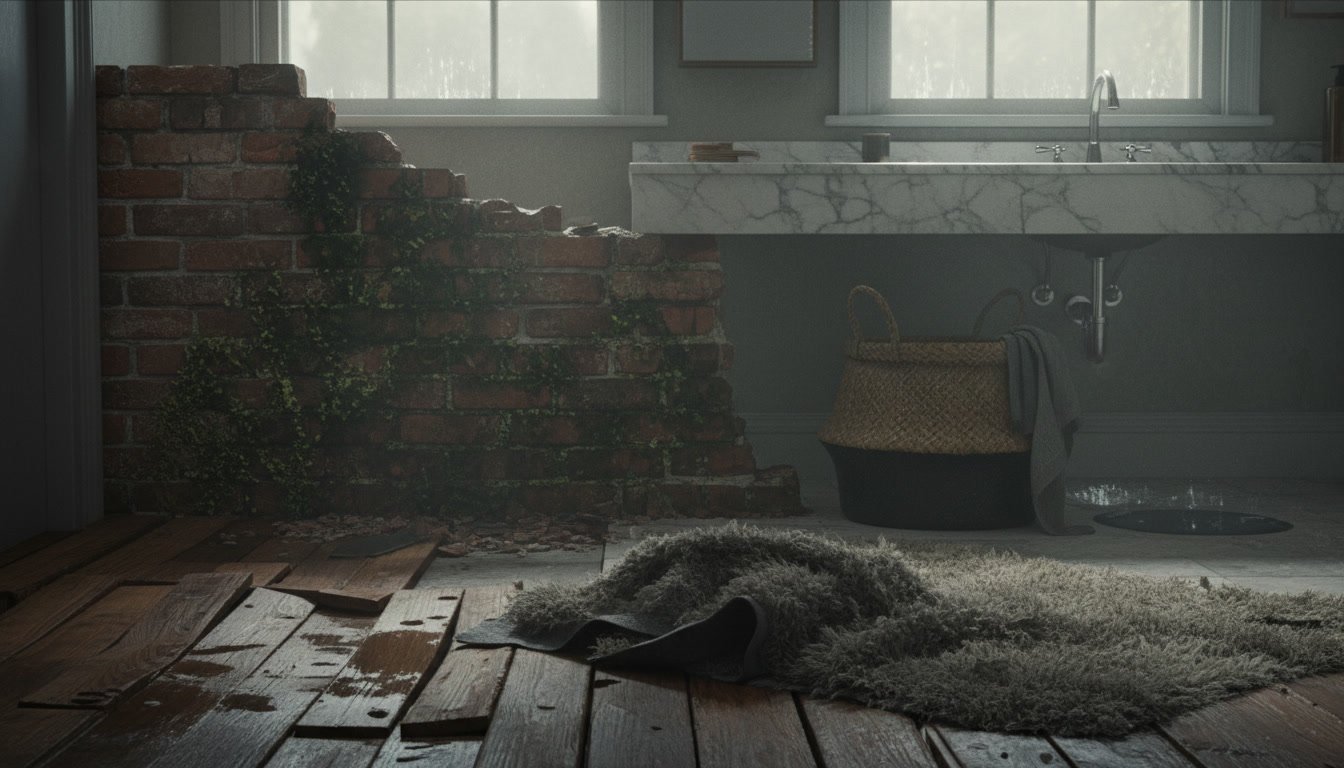
Bathrooms combine high humidity, standing water, temperature fluctuations, and constant foot traffic in ways that stress flooring materials beyond normal wear. Steam from showers raises humidity levels to 80% or higher, while water splashes and spills create puddles that sit on surfaces for hours. Standard hardwood or laminate floors that perform well in living rooms often warp, stain, or delaminate within months when installed in bathrooms.
Mold thrives in environments above 60% humidity with organic materials to feed on. Many traditional flooring materials contain wood fibers, paper backings, or adhesives that become food sources for mold colonies. Once mold establishes itself beneath flooring, removal requires tearing out the entire installation and treating the subfloor, a costly repair that proper material selection prevents from the start.
Understanding Water Absorption Ratings and What They Mean for Your Floor
Water absorption ratings measure how much moisture a material absorbs during extended exposure. Tiles carry a porosity classification ranging from impervious (less than 0.5% absorption) to non-vitreous (more than 7% absorption). For bathroom installations, you want materials rated impervious or vitreous (0.5% to 3% absorption) to prevent water from penetrating the tile body itself.
Vinyl and sheet goods list wear layer thickness instead of absorption rates. A wear layer of at least 12 mil (0.3mm) for residential bathrooms provides adequate protection against moisture penetration and surface damage. Luxury vinyl plank (LVP) with waterproof cores performs better than traditional vinyl composition tile because the entire plank resists water, not just the top surface.
Porcelain Tile Delivers the Best Long-Term Performance in Wet Environments
Porcelain tile stands as the gold standard for bathroom floors because it combines near-zero water absorption with exceptional durability and design flexibility. Fired at temperatures above 2,200 degrees Fahrenheit, porcelain becomes dense enough to repel water at the molecular level. This imperviousness prevents moisture from reaching the substrate and eliminates the organic material mold needs to grow.
Glazed porcelain adds a glass-like surface layer that further improves water resistance while offering unlimited color and pattern options. Textured or matte finishes provide better slip resistance than polished surfaces, a critical safety consideration for wet bathroom floors. Porcelain’s hardness rating of 7 to 8 on the Mohs scale means it resists scratches, chips, and wear from daily use for decades.
The grout joints between tiles require proper sealing and maintenance, but modern epoxy grouts eliminate this concern by creating waterproof, stain-resistant joints that never need sealing. For homeowners considering a full bathroom renovation, porcelain tile installation provides the longest-lasting return on investment.
Luxury Vinyl Plank and Sheet Vinyl as Budget-Friendly Moisture Barriers
Luxury vinyl plank with a rigid core (SPC or WPC construction) delivers waterproof performance at roughly half the cost of porcelain tile. The entire plank construction resists water, not just a wear layer, making it suitable for bathrooms where standing water occurs. Installation over existing subfloors takes less time than tile work, reducing labor costs and project timelines.
Sheet vinyl creates a seamless surface with minimal joints where water can penetrate. Professional installation heat-welds seams to create a continuous moisture barrier that performs well even in high-splash zones near tubs and showers. Modern sheet vinyl no longer resembles the outdated patterns from decades past, with realistic stone and wood textures that rival more expensive materials.
Both options install as floating floors that don’t require adhesive, allowing moisture vapor to escape from the subfloor without causing bubbling or delamination. This installation method works particularly well in older homes where subfloor moisture levels fluctuate with seasonal changes.
Natural Stone Requires More Maintenance But Offers Unmatched Visual Appeal
Granite, slate, and marble create dramatic bathroom floors with unique patterns impossible to replicate with manufactured materials. These natural stones vary widely in porosity, with granite and slate offering better moisture resistance than marble or travertine. All natural stone requires initial sealing and annual resealing to maintain water resistance and prevent staining.
The investment in maintenance pays dividends in resale value and aesthetic impact. Natural stone floors installed properly can last the lifetime of the home, developing a patina that adds character rather than showing wear. Honed or flamed finishes provide better slip resistance than polished surfaces while still showcasing the stone’s natural beauty.
Materials to Avoid in Bathrooms Despite Their Popularity Elsewhere
Solid hardwood should never be installed in full bathrooms, regardless of finish or species. Even teak and other water-resistant woods expand and contract with moisture cycles, creating gaps, cupping, and eventual failure. Save hardwood for powder rooms without showers or tubs where moisture exposure remains minimal.
Standard laminate flooring lacks the waterproof core found in luxury vinyl, making it unsuitable for bathrooms. Water that seeps into cut edges or seams causes the fiberboard core to swell irreversibly. Water-resistant laminate exists but still performs poorly compared to true waterproof materials at similar price points.
Carpet holds moisture against padding and subfloors, creating ideal conditions for mold growth and bacterial contamination. The brief period of comfort underfoot doesn’t justify the health risks and replacement costs that follow water exposure.
Step-by-Step Material Selection Based on Your Bathroom’s Moisture Level
Start by assessing your bathroom’s specific moisture challenges. Full bathrooms with combination tub-showers experience the highest moisture loads and require the most resistant materials. Powder rooms with just a sink and toilet can accommodate a wider range of options.
Measure your bathroom’s typical humidity after showers using an inexpensive hygrometer. Readings consistently above 70% indicate you need maximum moisture protection and possibly improved ventilation. Readings between 50% and 70% allow consideration of premium vinyl or sealed natural stone alongside porcelain.
Consider your household’s usage patterns. Bathrooms used by children or teenagers see more water splashed on floors than adult-only spaces. Homes with multiple bathrooms can install different materials based on each room’s specific demands rather than using one solution throughout.
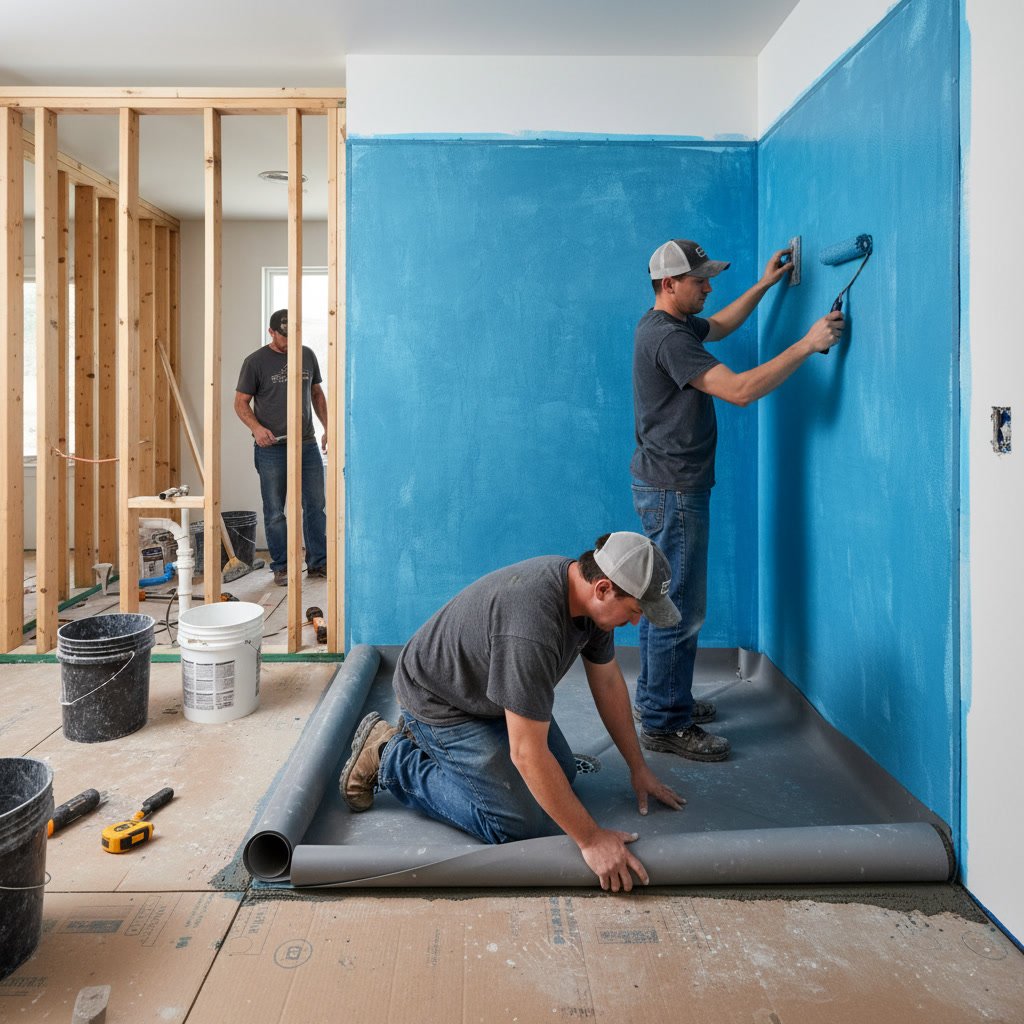
Budget at least 15% more for professional installation in bathrooms compared to dry rooms. Proper waterproofing membranes, sloped subfloors for drainage, and careful sealing around fixtures require expertise that protects your investment. The same attention to detail that prevents shower tile failure applies to floor installations.
How Underlayment and Subfloor Preparation Affect Moisture Performance
Even waterproof flooring materials fail without proper substrate preparation. Concrete subfloors must be tested for moisture vapor emission rates below 3 pounds per 1,000 square feet per 24 hours before installing impermeable flooring. Higher emission rates cause adhesive failure and trapped moisture that leads to mold growth.
Wood subfloors require an additional moisture barrier between the subfloor and finished flooring. This barrier prevents moisture from below while allowing the subfloor itself to dry. Skipping this step causes cupping in vinyl planks and hollow spots in tile installations where moisture accumulates.
Complete Home Improvement Services LLC insists on proper substrate testing and preparation before any bathroom floor installation, a step that separates professional work from amateur installations that fail prematurely. The extra day spent preparing subfloors adds years to the finished floor’s lifespan.
Slip Resistance Ratings and Safety Considerations in Wet Conditions
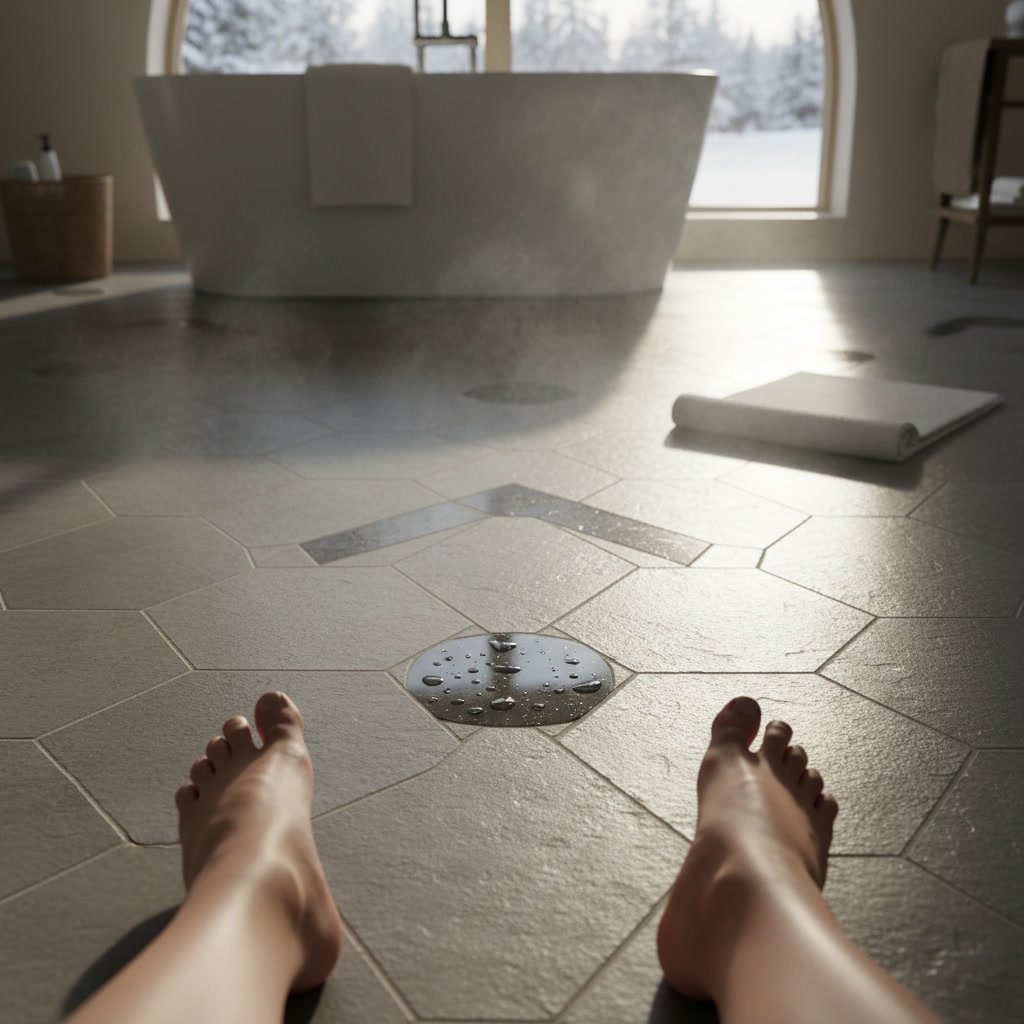
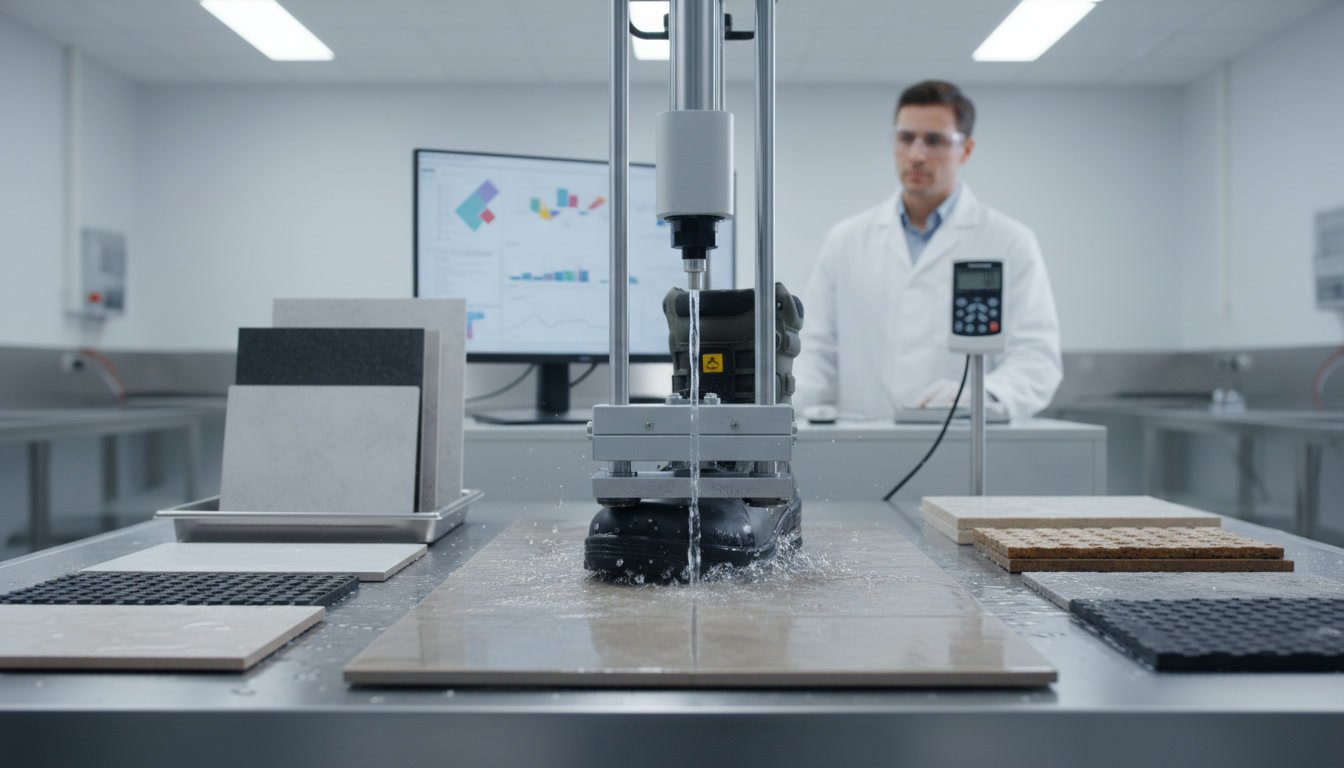
The coefficient of friction (COF) measures how slippery a surface becomes when wet. Bathroom floors should achieve a wet COF of at least 0.6 to meet ADA recommendations for slip resistance. Polished porcelain and glazed ceramic often fall below this threshold, while textured porcelain, natural stone, and quality vinyl exceed it.
Surface texture affects both safety and cleaning ease. Heavily textured surfaces trap dirt and require more aggressive cleaning, while completely smooth surfaces become dangerously slippery. The ideal bathroom floor balances moderate texture for traction with a surface profile that releases dirt easily during routine mopping.
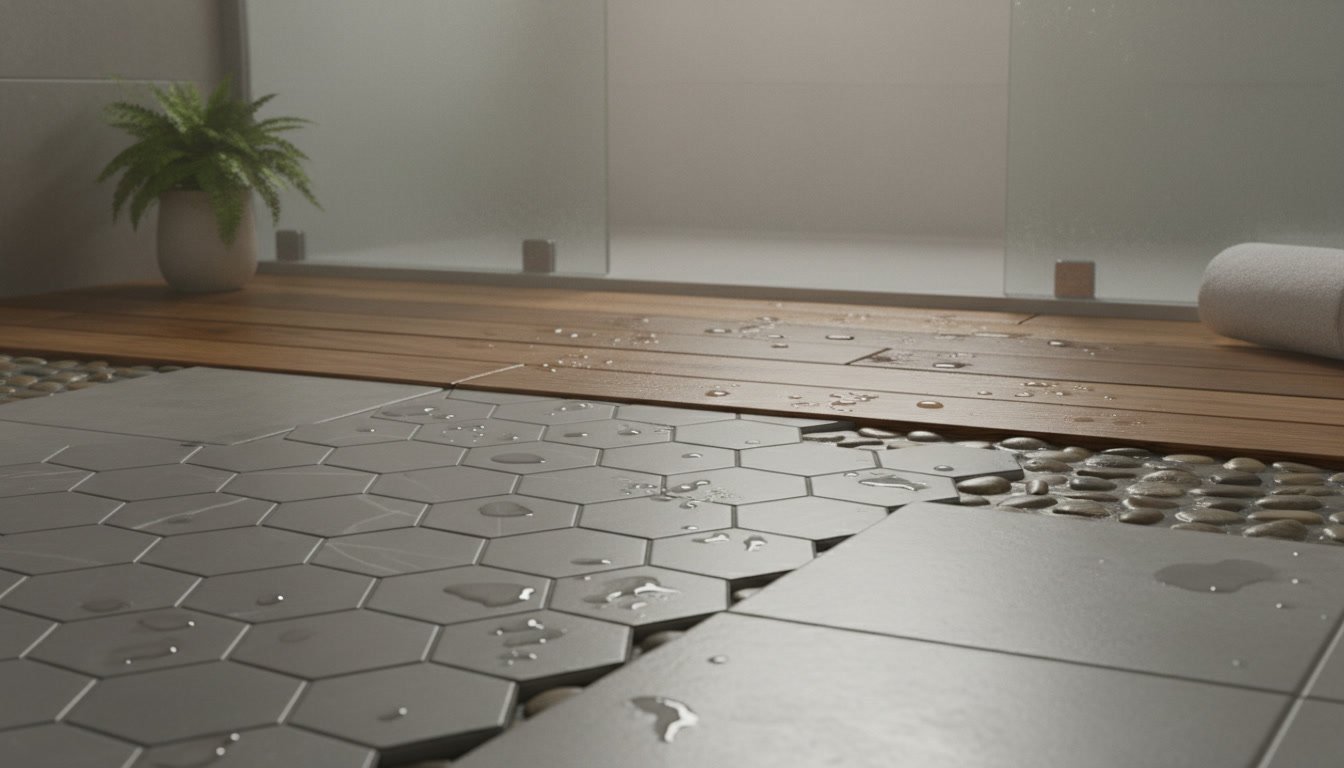
Smaller tile sizes (2×2 inch mosaics rather than 12×24 inch planks) create more grout lines that naturally improve traction. This explains why classic hexagon and penny tile patterns remain popular for bathroom floors despite requiring more installation labor.
Long-Term Maintenance Requirements for Different Bathroom Flooring Types
Porcelain tile requires the least ongoing maintenance, needing only regular sweeping and damp mopping with pH-neutral cleaners. Epoxy grout eliminates the need for annual sealing, though traditional cement grout requires resealing every 12 to 18 months to maintain water resistance and prevent staining.
Luxury vinyl plank maintains its appearance with the same simple cleaning routine but shows wear in high-traffic areas after 10 to 15 years. The wear layer gradually thins, making the floor more susceptible to scratching and moisture penetration. Replacement becomes necessary when the wear layer fails rather than when the material breaks down.
Natural stone demands the most attention, with annual sealing and immediate cleanup of acidic spills that can etch surfaces. Professional refinishing every five to seven years restores the original finish and resets the stone’s protective seal. This maintenance investment preserves significant material value and maintains the floor’s contribution to home resale appeal.
Professional Installation in Clarkston Protects Your Investment
Material quality matters less than installation expertise when it comes to long-term performance. Poorly installed premium tile fails faster than properly installed mid-grade vinyl. Professional installers understand how to account for expansion gaps, proper thinset coverage, waterproofing transitions, and the dozens of other details that determine whether a floor lasts five years or 25.
Bathroom floors require integration with plumbing fixtures, door thresholds, and existing finishes in ways that demand experience. The difference between a floor that channels water toward the drain and one that traps it against walls comes down to subtle slope adjustments during substrate preparation that only skilled installers recognize as necessary.
Working with an established contractor provides accountability when issues arise. Manufacturers honor warranties only when installation follows their specifications, making professional installation documentation valuable protection for your investment. The relationship between proper surface preparation and finished quality applies just as much to flooring as it does to paint and other finishes.
Making the Decision That Fits Your Budget and Lifestyle
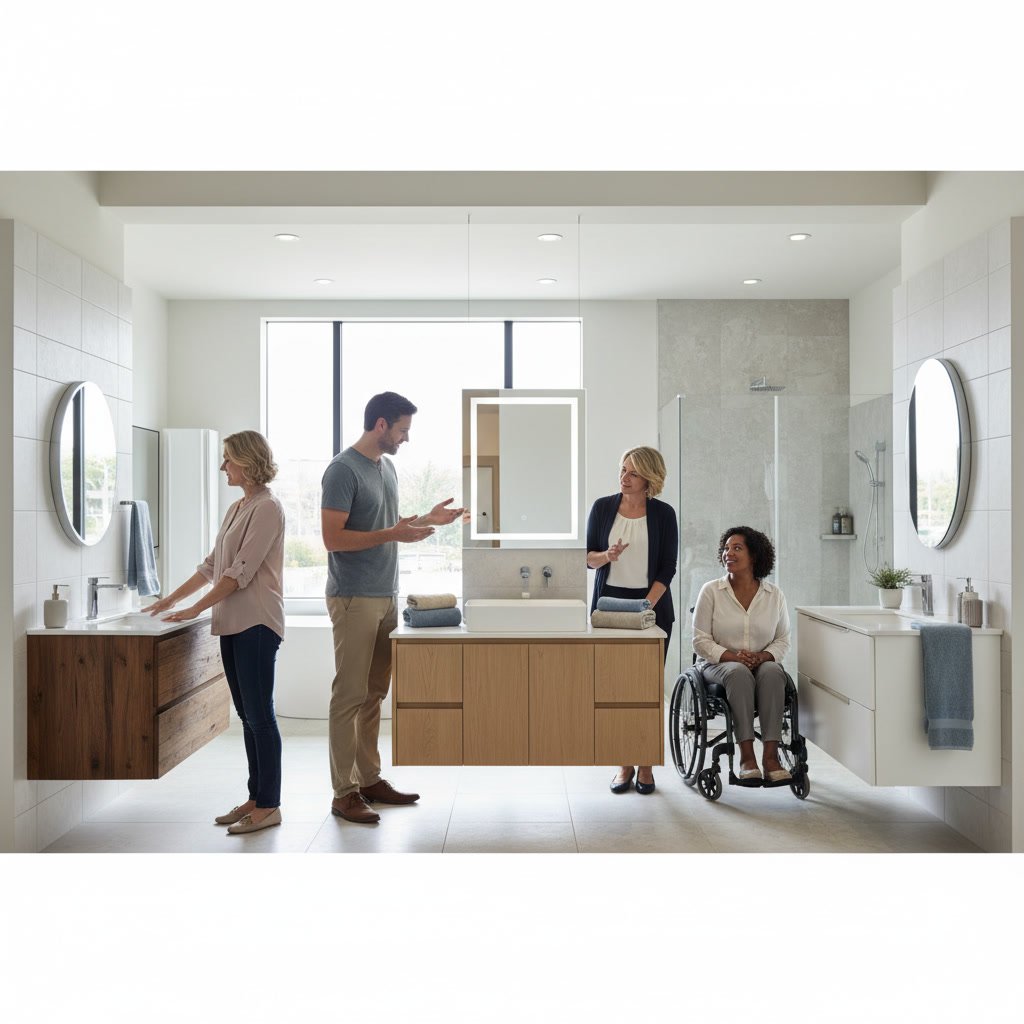
The best bathroom floor balances moisture performance, safety, maintenance requirements, aesthetic preferences, and budget constraints specific to your situation. Porcelain tile offers the longest lifespan and best moisture resistance but requires the highest upfront investment. Luxury vinyl provides excellent performance at moderate cost with faster installation. Natural stone delivers unmatched beauty for those willing to invest in ongoing maintenance.
Consider total cost of ownership rather than just initial installation expense. A porcelain floor that costs $2,000 more upfront but lasts 30 years without replacement costs less per year than vinyl that needs replacement after 15 years. Factor in the disruption and labor costs of replacement when calculating long-term value.
Your bathroom floor works harder than almost any surface in your home. Choosing materials engineered specifically for moisture exposure and mold resistance protects both your immediate investment and your home’s long-term value.
Complete Home Improvement Services LLC helps homeowners throughout Oakland County select and install bathroom floors built to last. Our team brings decades of combined experience to every project, ensuring proper substrate preparation, waterproofing, and installation techniques that maximize material performance. Whether you’re updating a single bathroom or tackling a complete home remodel, we’ll help you choose flooring that handles moisture, resists mold, and fits your budget. Call +12486186666 to discuss your bathroom flooring project and schedule a consultation.