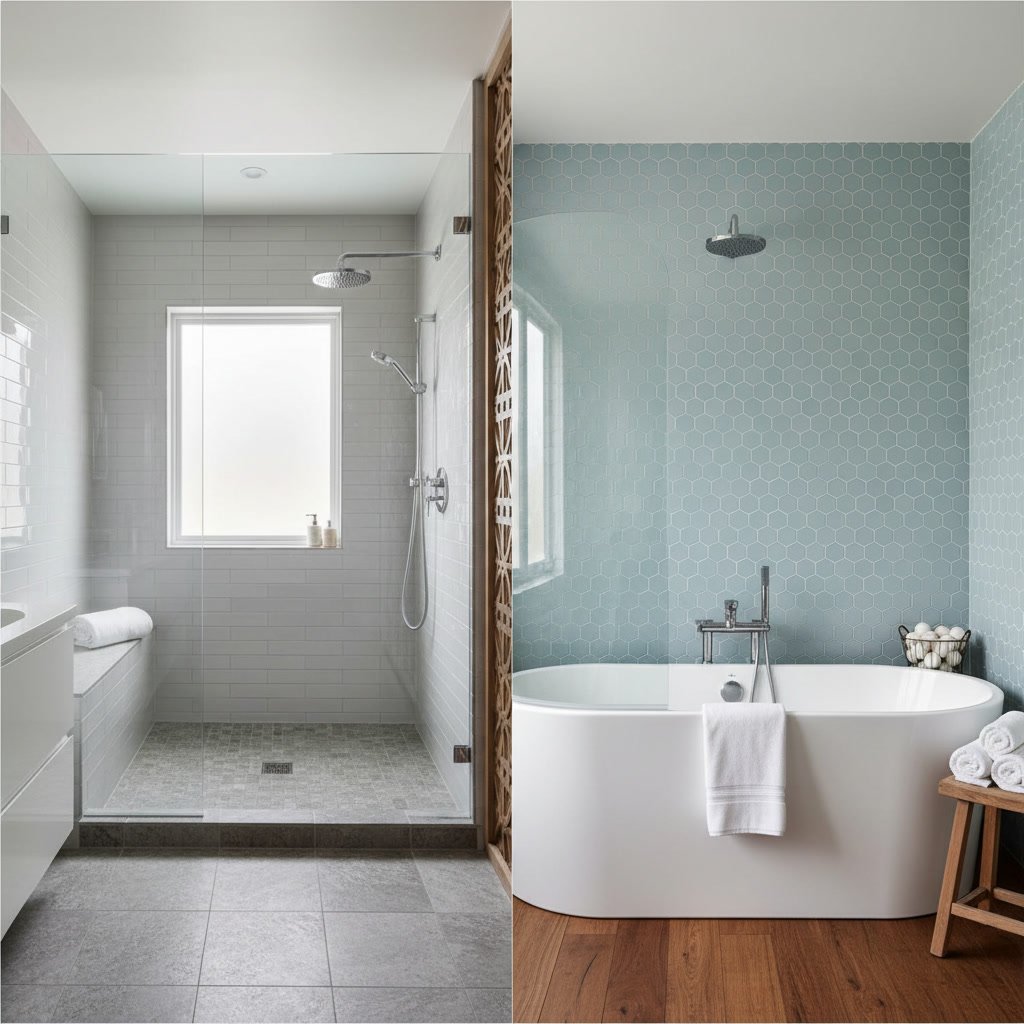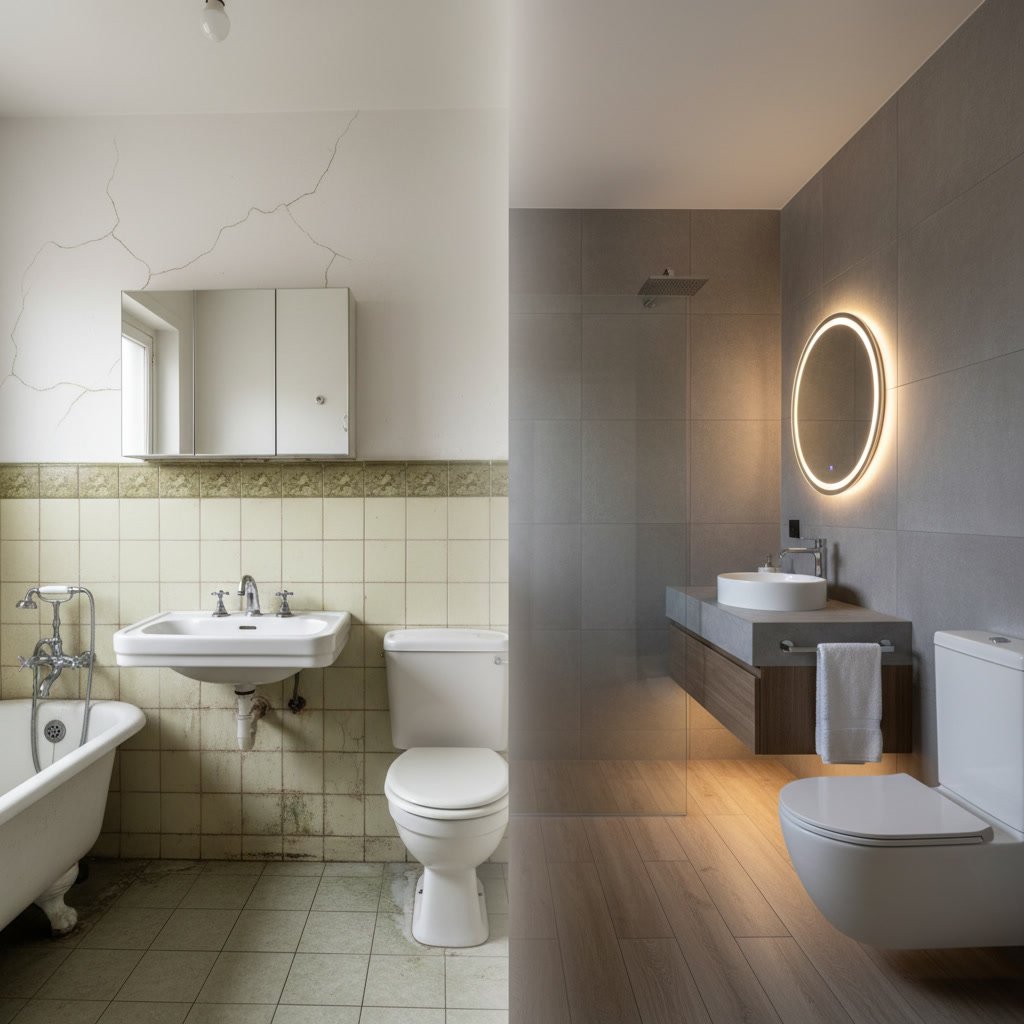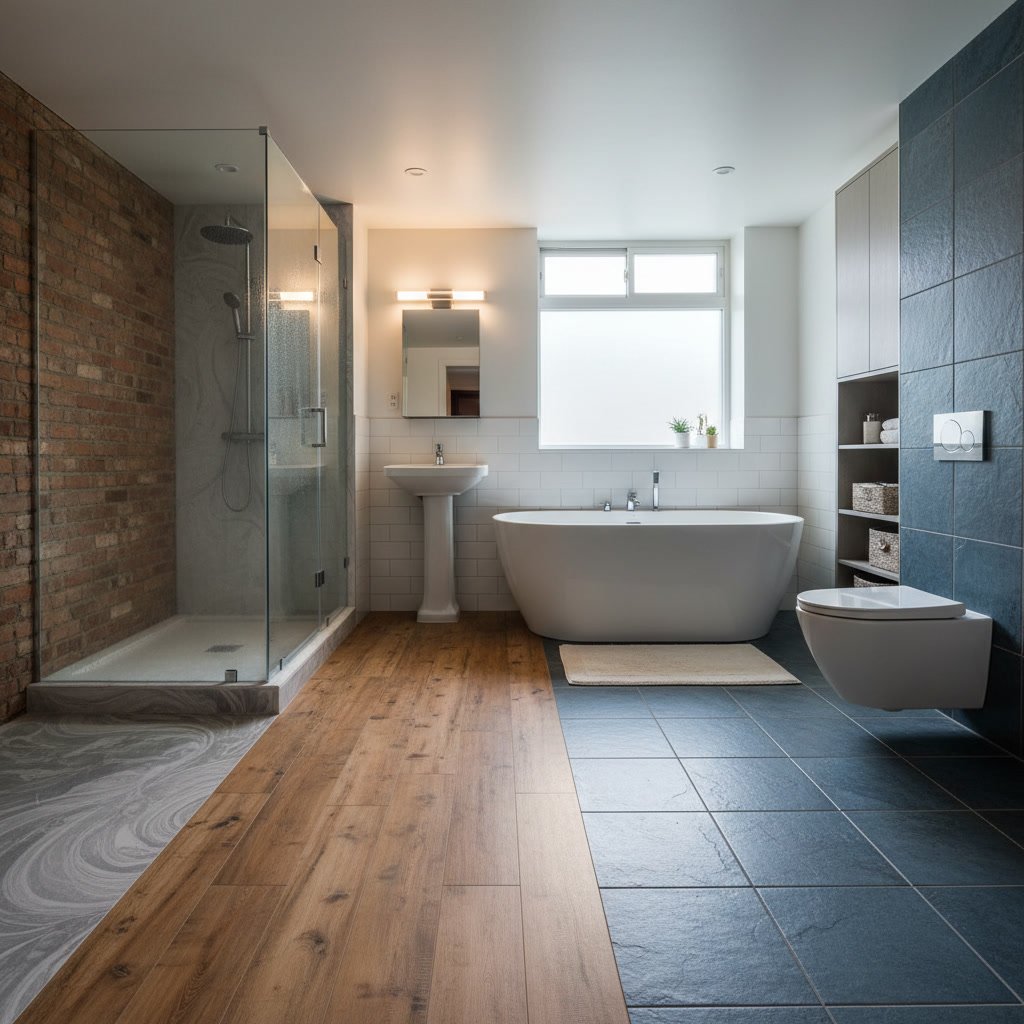
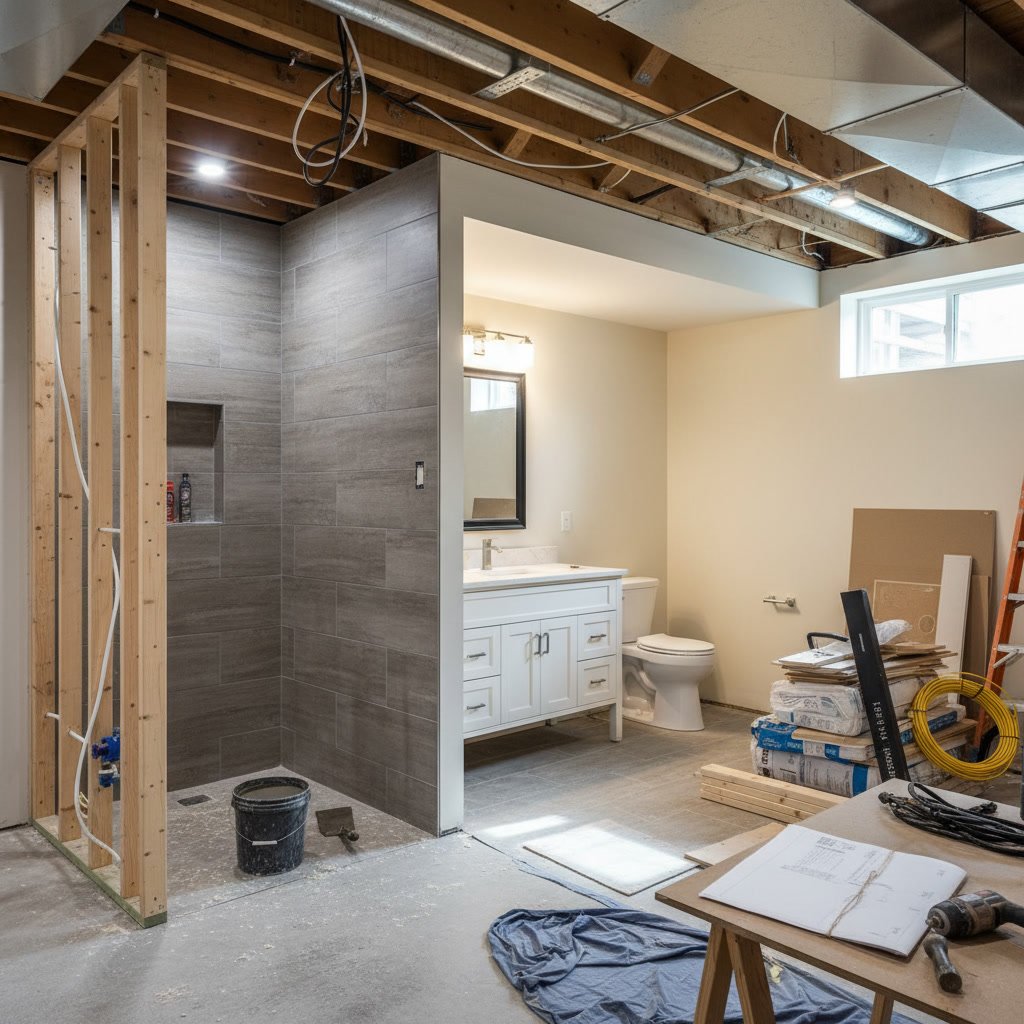
Your unfinished basement sits empty while your family runs out of living space upstairs. You know finishing it could add valuable square footage, but the big question stops you cold: what will it actually cost? Understanding basement finishing cost in Waterford MI helps you plan realistically and avoid budget surprises halfway through your project.
This guide breaks down the real numbers behind basement finishing projects in the Waterford area. You’ll see what drives costs up or down, what a typical budget looks like, and how to get the most value from your investment.
Average Basement Finishing Costs in Waterford Michigan
Most homeowners in Waterford spend between $25,000 and $60,000 to finish a basement. That wide range reflects the huge variety in project scope, materials, and finishes.
The typical basement finishing cost runs $50 to $100 per square foot for a basic to mid-range finish. An 800 square foot basement averages $40,000 to $80,000, while a 1,200 square foot space might run $60,000 to $120,000.
These numbers include labor, materials, permits, and standard features like drywall, flooring, lighting, and basic electrical work. They assume you’re starting with a dry, structurally sound space that doesn’t need major foundation repairs or waterproofing.
High-end finishes with custom features, wet bars, home theaters, or luxury bathrooms can push costs to $150 per square foot or higher. Budget-conscious projects using basic materials and DIY elements might come in under $40 per square foot.
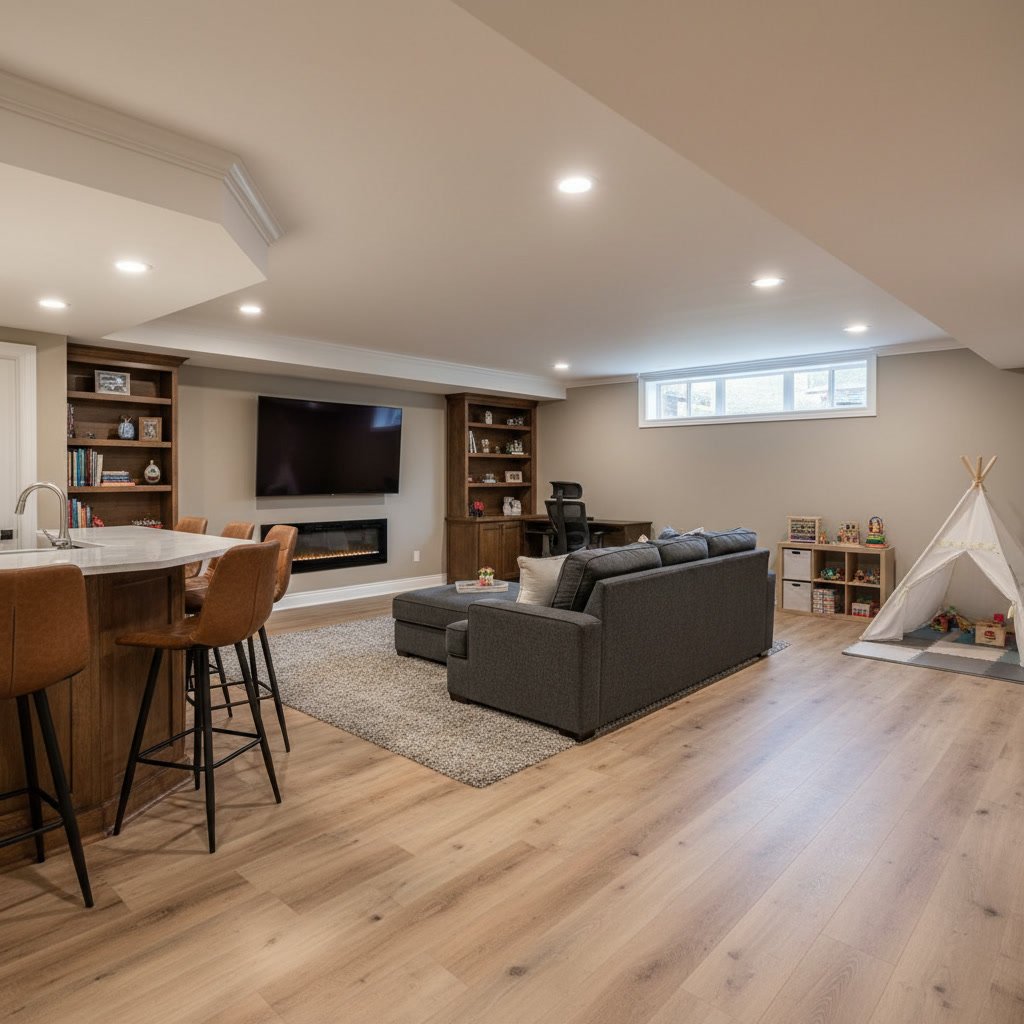
What Affects Your Basement Finishing Budget
Several factors determine where your project lands in that price range. Understanding these helps you estimate costs more accurately.
Size and Layout Complexity
Square footage drives the baseline cost. A 600 square foot basement costs less to finish than a 1,500 square foot space, even at the same per-square-foot rate.
Layout complexity matters too. Open floor plans cost less than designs with multiple rooms, doorways, and partition walls. Each new wall means more framing, drywall, paint, and labor hours.
Plumbing and Bathroom Additions
Adding a bathroom increases your basement finishing cost significantly. A basic three-quarter bath adds $10,000 to $20,000 to your budget. Full baths with tubs run $15,000 to $30,000.
If your basement lacks existing plumbing rough-ins, you’ll pay for drain line installation. Breaking concrete to run new drains adds $2,000 to $5,000 before you even start the bathroom itself.
Wet bars and kitchenettes also require plumbing work. Budget $3,000 to $8,000 for a basic wet bar with sink, depending on distance from existing water lines.
Ceiling Height and Type
Standard drywall ceilings cost $2 to $5 per square foot installed. Drop ceilings run $3 to $8 per square foot but offer easier access to utilities.
Low ceiling heights create challenges. Basements under seven feet high feel cramped and may need ceiling excavation, which costs $10,000 to $30,000 depending on foundation type and depth needed.
Flooring Selection
Your flooring choice significantly impacts the total budget. Luxury vinyl plank, popular for basements, runs $3 to $8 per square foot installed. Ceramic or porcelain tile costs $8 to $15 per square foot.
Carpet with moisture-resistant padding runs $2 to $6 per square foot. Engineered hardwood costs $6 to $12 per square foot. Basic concrete staining or epoxy coating starts around $3 to $7 per square foot.
Electrical and Lighting Requirements
Every basement needs adequate lighting and outlets. Basic electrical work adds $2,000 to $5,000 for recessed lighting, switches, and code-compliant outlets.
Home theater setups, dedicated circuits for equipment, or extensive specialty lighting increase electrical costs to $5,000 to $10,000 or more.
Basement Finishing Cost Breakdown by Component
Here’s how your budget typically divides across major elements of a basement finishing project.
Framing and Drywall
Framing partition walls costs $5 to $10 per linear foot. Drywall installation runs $1.50 to $3.50 per square foot including taping, mudding, and sanding.
For an 800 square foot basement with moderate wall framing, expect to spend $8,000 to $15,000 on framing and drywall combined.
Insulation and Vapor Barriers
Insulating exterior walls improves comfort and energy efficiency. Rigid foam insulation costs $1.50 to $3 per square foot. Fiberglass batts run $0.50 to $1.50 per square foot.
Vapor barriers prevent moisture problems. Budget $0.50 to $1 per square foot for proper moisture control materials.
HVAC Extensions
Your basement needs heating and cooling. Extending existing ductwork costs $1,500 to $4,000 for most basements. Installing a separate zone with its own thermostat runs $2,500 to $6,000.
Mini-split systems offer an alternative at $3,000 to $8,000 installed, providing efficient heating and cooling without ductwork.
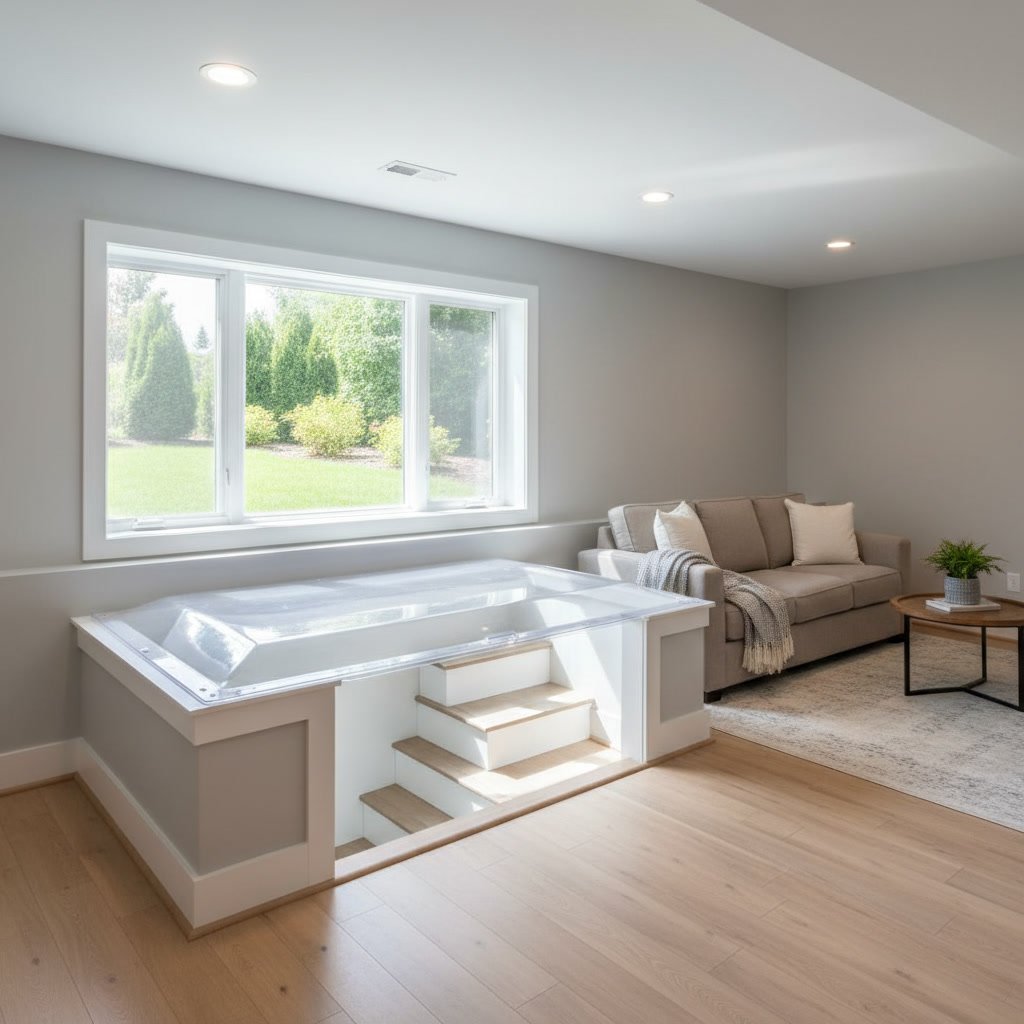
Egress Windows
Building codes require egress windows for sleeping areas. Cutting a window well and installing an egress window costs $3,000 to $7,000 per window.
If your basement will include bedrooms, factor this code requirement into your budget from the start.
Hidden Costs That Surprise Homeowners
Several expenses catch homeowners off guard during basement finishing projects. Planning for these prevents budget overruns.
Waterproofing and Moisture Control
A dry basement is essential before finishing. If your basement shows any moisture signs, address it first. Interior waterproofing costs $3,000 to $8,000. Exterior waterproofing runs $8,000 to $15,000 or more.
Sump pump installation adds $1,000 to $3,000. French drain systems cost $2,000 to $6,000 depending on basement perimeter length.
Permits and Inspections
Building permits in Waterford typically cost $200 to $800 depending on project scope. Electrical permits run $50 to $200. Plumbing permits add another $50 to $200.
Budget time and money for inspections at various project stages. Failed inspections requiring rework add delay and expense.
Structural Issues
Foundation cracks, bowing walls, or inadequate support beams need repair before finishing. Structural repairs range from $1,500 for minor crack repair to $15,000 or more for serious foundation problems.
Have a professional assess your basement’s structural condition before committing to a finishing budget.
Utility Relocations
Moving electrical panels, water heaters, or HVAC equipment costs $500 to $3,000 per item. Sometimes utilities sit exactly where you want a wall or room.
Plan your layout around existing utilities when possible to avoid these expenses.
Pro Tip: Add a 10 to 15 percent contingency to your basement finishing cost estimate. Unexpected issues like hidden water damage, outdated wiring, or structural surprises appear in many projects. This buffer prevents project delays when surprises emerge.
Ways to Control Basement Finishing Costs
You can manage expenses without sacrificing quality by making strategic choices throughout your project.
Keep the Layout Simple
Open floor plans cost less than designs with multiple small rooms. Each partition wall adds materials and labor. Consider using furniture arrangements to define spaces instead of building walls.
Minimize plumbing runs by locating bathrooms or wet bars near existing drain lines and water supply pipes.
Choose Cost-Effective Materials
Select materials that balance durability with budget. Luxury vinyl plank offers the look of hardwood at half the cost. Drop ceilings cost less than drywall ceilings and provide utility access.
Save high-end materials for focal points while using builder-grade options elsewhere. Splurge on the bathroom tile but use affordable paint and trim throughout.
Phase Your Project
Complete your basement in stages if budget constraints exist. Finish the main living area first, leaving future bathroom or bedroom additions for later.
Install rough plumbing and electrical during initial construction even if you’re not finishing those areas yet. Adding these later costs significantly more.
Handle Some Tasks Yourself
DIY painting, trim installation, or demolition work reduces labor costs. Most homeowners can handle painting and save $2 to $4 per square foot in labor.
Leave licensed work to professionals. Electrical, plumbing, and structural modifications require expertise and permits. Poor DIY work on these systems creates safety hazards and fails inspections.
Return on Investment for Finished Basements
Basement finishing typically recoups 60 to 75 percent of costs when you sell your home. A $50,000 basement project adds roughly $30,000 to $37,500 in home value.
ROI varies based on your neighborhood and how your home compares to surrounding properties. If nearby homes have finished basements, yours needs one to remain competitive. If you’re adding the first finished basement in your area, returns may be lower.
Beyond resale value, finished basements provide immediate lifestyle benefits. Extra living space, home offices, guest suites, and recreation areas improve daily life for your family.
Homes with finished basements sell faster than comparable properties with unfinished spaces. Buyers see the extra square footage as move-in ready rather than a project they need to tackle.
Choosing the Right Contractor for Your Basement Project
Your contractor choice affects both cost and quality. Taking time to select the right professional prevents expensive mistakes.
Get Multiple Detailed Quotes
Request estimates from at least three contractors. Quality quotes break down costs by category rather than providing a single lump sum.
Compare not just total price but what each quote includes. The lowest bid often excludes items covered by higher quotes.
Check Licenses and Insurance
Verify your contractor holds proper licenses for your area. Request proof of liability insurance and workers compensation coverage. These protections matter if accidents or property damage occur.
Check online reviews and ask for references from recent basement finishing projects. Contact those references to ask about quality, timeline, and whether final costs matched estimates.
Understand the Payment Schedule
Avoid contractors demanding large upfront payments. Standard payment schedules tie installments to project milestones. Never pay the full amount until you’ve inspected completed work and verified it meets contract terms.
Get everything in writing. Detailed contracts protect both parties and prevent disputes about scope, materials, timelines, and costs.
Basement Finishing Cost Compared to Other Remodeling Projects
How does basement finishing compare to other ways you might expand your living space?
Room additions cost $100 to $300 per square foot, significantly more than basement finishing. Building up or out requires foundation work, roofing, exterior siding, and often more complex structural changes.
Attic conversions run $75 to $200 per square foot. They often need roof modifications, dormer additions, and HVAC extensions similar to basements but with more challenging access.
Garage conversions cost $50 to $150 per square foot depending on whether you’re maintaining garage door functionality or fully converting the space.
Basement finishing typically offers the most cost-effective way to add substantial square footage. You already have the foundation, walls, and roof. You’re finishing existing space rather than building new structure.
Frequently Asked Questions
How long does a typical basement finishing project take?
Most basement finishing projects take six to twelve weeks depending on size and complexity. Simple open-plan designs finish faster, while projects including bathrooms, custom features, or extensive electrical work take longer. Permit approvals, inspection schedules, and material delivery times also affect duration.
Do I need a permit to finish my basement in Waterford MI?
Yes, basement finishing requires building permits in Waterford. Electrical and plumbing work need separate permits. Your contractor typically handles permit applications, but verify this responsibility is clearly defined in your contract. Finishing without permits creates problems when selling your home and may require expensive corrections.
What’s the most expensive part of finishing a basement?
Bathroom additions typically represent the single largest expense in basement finishing projects. The combination of plumbing, fixtures, tile work, and ventilation makes bathrooms costly. If your project excludes bathrooms, framing and drywall usually consume the largest portion of your budget at 25 to 35 percent of total costs.
Can I finish a basement with low ceilings?
Building codes typically require minimum ceiling heights of seven feet in finished basements. If your basement measures less, you face three options: excavate to lower the floor, raise the house to increase height, or leave the space unfinished. Both excavation and house raising are expensive, often costing more than the finishing work itself.
Is basement finishing worth the cost?
Basement finishing makes sense if you need the extra living space and plan to stay in your home several years. The immediate lifestyle benefits often outweigh pure financial ROI considerations. If you’re selling soon, consult a real estate agent about whether finished basements add value in your specific neighborhood before committing to the expense.
Planning Your Waterford Basement Project
Understanding basement finishing cost helps you make informed decisions about your project. Most Waterford homeowners invest $25,000 to $60,000 to create valuable living space from unfinished basements. Your specific costs depend on size, features, materials, and how much work you can handle yourself.
Start with a clear vision of how you’ll use the space. Get multiple detailed quotes from licensed contractors. Budget for both expected costs and a contingency for surprises. With proper planning, your finished basement provides years of enjoyment and adds real value to your home.
Complete Home Improvement Services LLC handles basement finishing projects throughout Waterford and surrounding Oakland County communities. Our team provides detailed estimates that break down every cost element, helping you understand exactly where your money goes. Call +12486186666 to discuss your basement finishing plans and receive a comprehensive quote tailored to your space and budget.