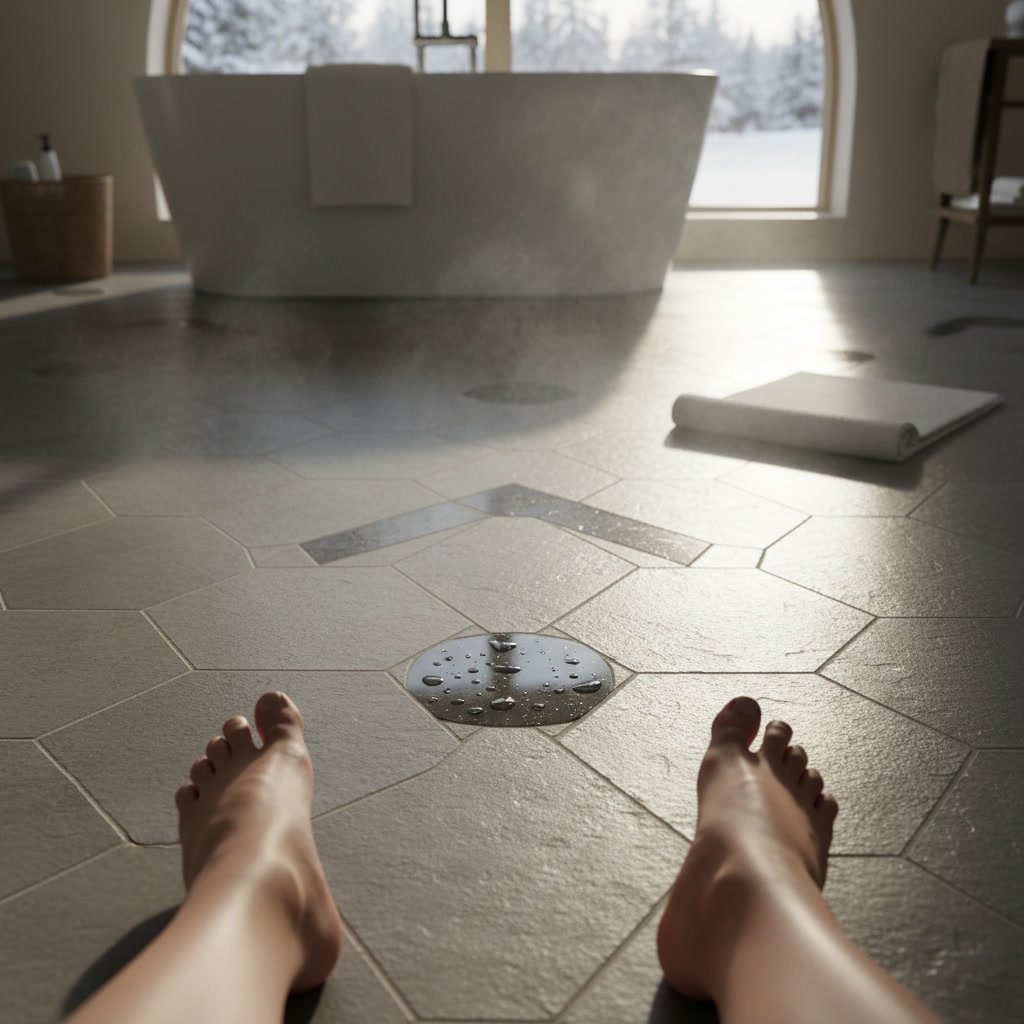
Heated bathroom floors deliver warmth exactly where you need it most, turning cold tile into a comfortable surface year-round. The most common bathroom heated flooring signs include chronically cold floors even with the heat running, a bathroom positioned over an unheated space like a garage or crawlspace, or plans for a tile upgrade that present the ideal opportunity to add radiant heat. Installing radiant systems during a tile project adds minimal cost compared to retrofitting later, and the right installation sequence prevents tile failure while maximizing heat transfer.
Why Cold Bathroom Floors Persist Even With Central Heat
Standard forced-air heating systems push warm air upward, leaving floor surfaces as the coldest zone in any room. Tile and natural stone amplify this problem because these materials conduct heat away from your feet rapidly. Even homes with efficient HVAC systems struggle to warm bathroom floors to a comfortable temperature, especially during Michigan winters when outdoor temperatures drop below freezing for extended periods.
Bathrooms built over garages, cantilevered sections, or uninsulated crawlspaces face an additional challenge. Cold air from below pulls heat through the subfloor faster than your heating system can replace it. Adding insulation helps, but it only slows heat loss rather than actively warming the surface where you stand barefoot every morning.
When Your Bathroom Layout Makes Heated Floors Essential
Certain bathroom configurations create cold zones that central heating simply cannot address. Exterior walls with large windows or insufficient insulation allow cold to penetrate directly into floor surfaces. Bathrooms positioned on north-facing exterior corners experience the most severe temperature drops because two walls expose the space to cold outdoor air.
Master bathrooms with expansive tile floors covering 80 square feet or more benefit most from radiant heat because the large surface area magnifies discomfort. Small powder rooms may not justify the expense, but any bathroom remodel involving tile replacement presents the perfect opportunity to add heating at minimal additional labor cost.
How Tile Type and Thickness Impact Radiant Heat Performance
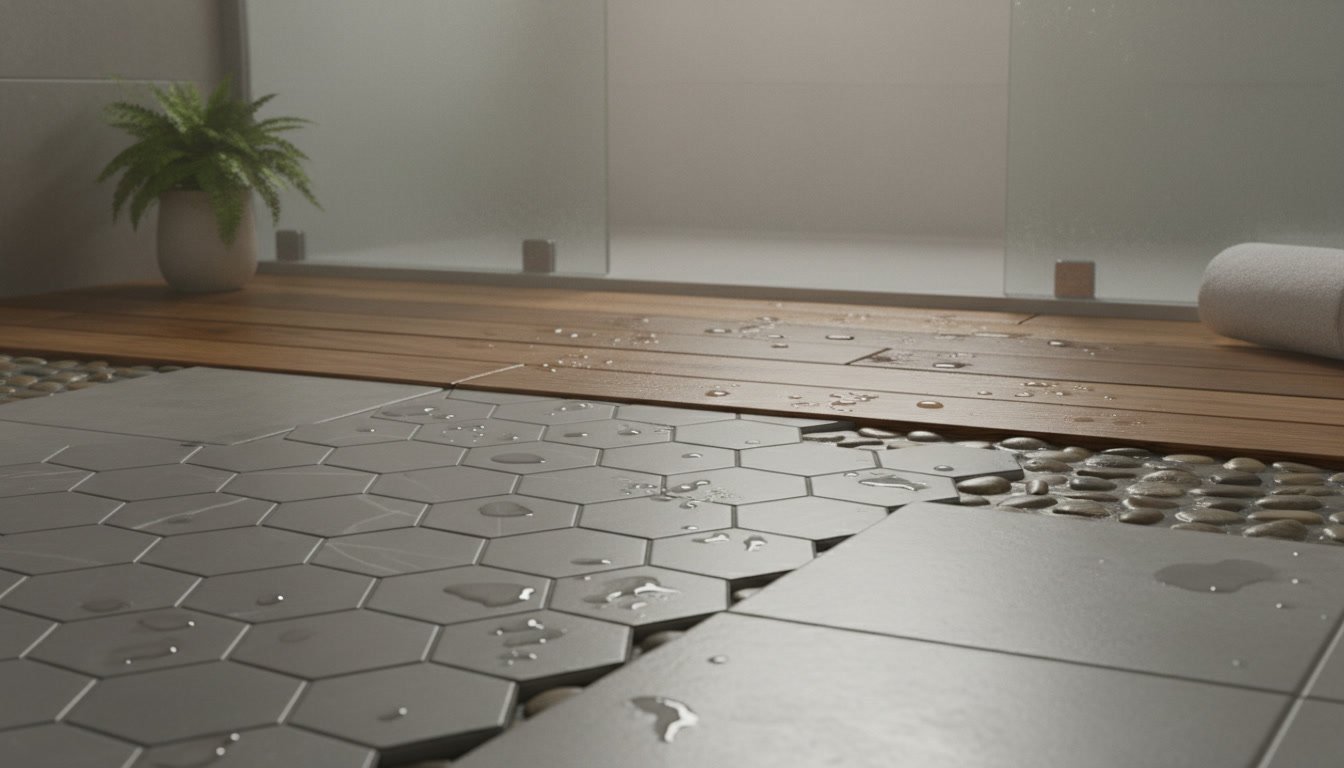
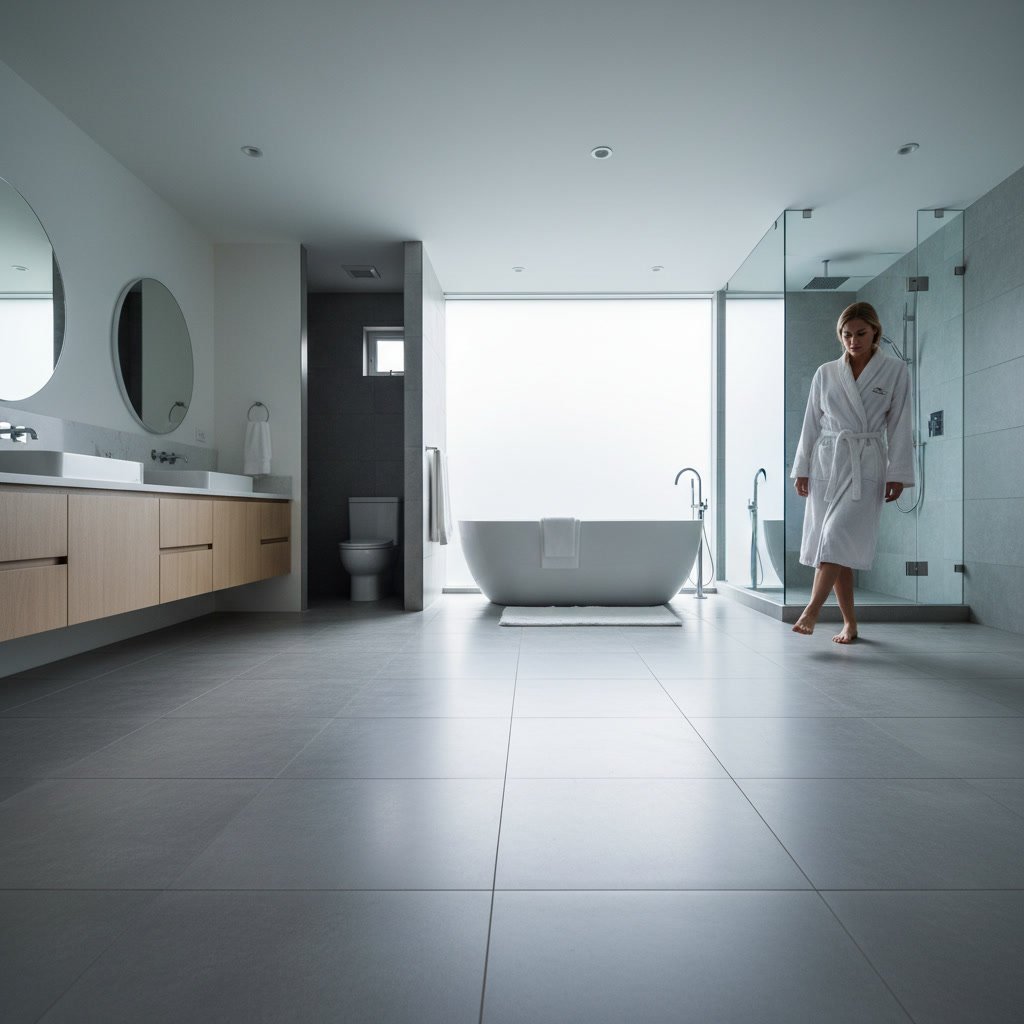
Porcelain and ceramic tile conduct heat efficiently, making them ideal partners for radiant floor systems. Natural stone materials like marble and travertine also work well but require slightly higher system output due to their greater mass. Thickness matters because heat must travel through the tile to reach the surface. Standard 3/8-inch tile heats quickly, while thick stone pavers over one inch may need 30 to 45 minutes to reach full temperature.
Large-format tiles measuring 12 by 24 inches or larger perform exceptionally well with radiant heat because fewer grout lines allow heat to spread evenly across the surface. Small mosaic tiles with extensive grout coverage can create slight temperature variations, though most homeowners never notice the difference during normal use.
The Right Time to Add Radiant Heat During Renovation
Installing radiant floor heating makes financial sense only when you already plan to replace bathroom flooring. Tearing out perfectly good tile just to add heat rarely justifies the expense. However, if your bathroom shows other signs that a full remodel makes sense, radiant heat becomes an affordable upgrade.
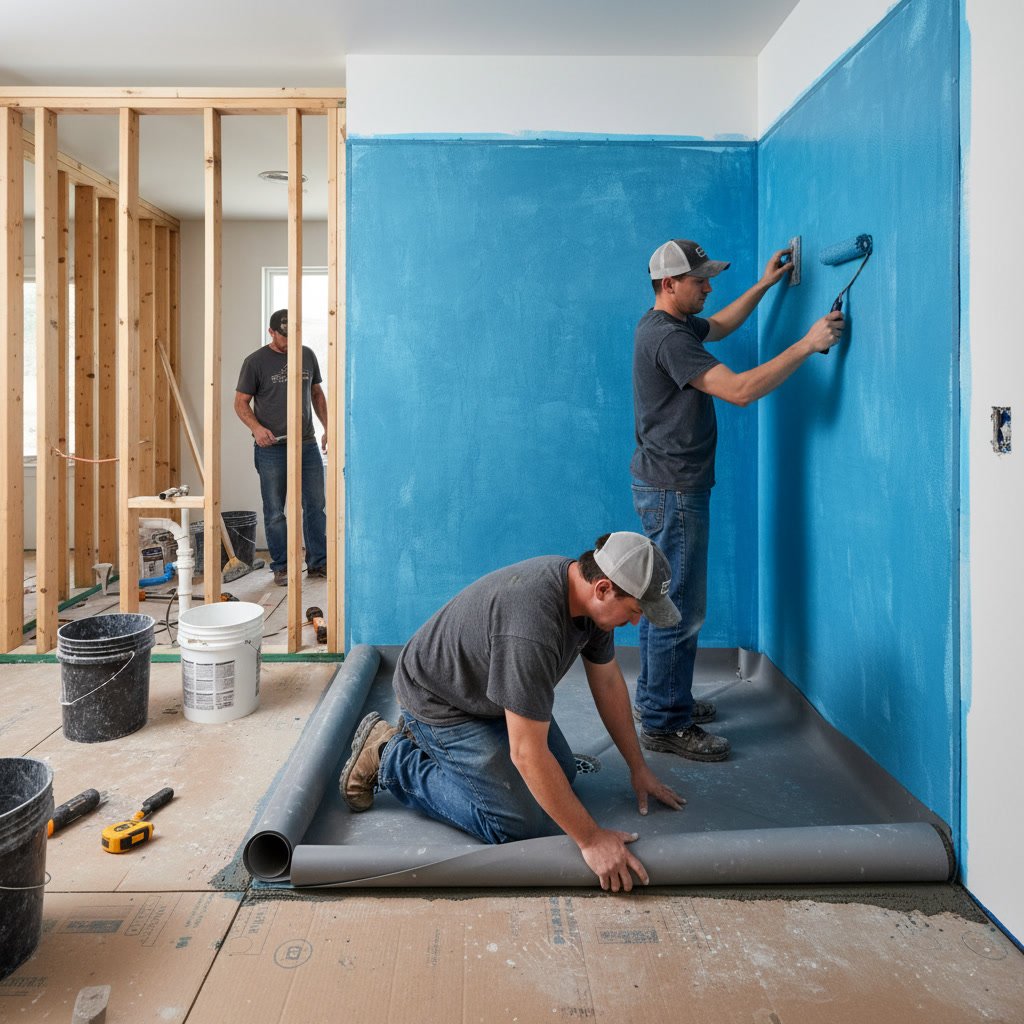
The installation sequence matters. Heating elements install directly on top of the subfloor or cement board, then thin-set mortar embeds the wires or mat, and finally tile sets into a second mortar layer. Attempting to add radiant heat after tile installation requires complete removal and reinstallation, which doubles your flooring costs.
Electric vs Hydronic Systems for Bathroom Applications
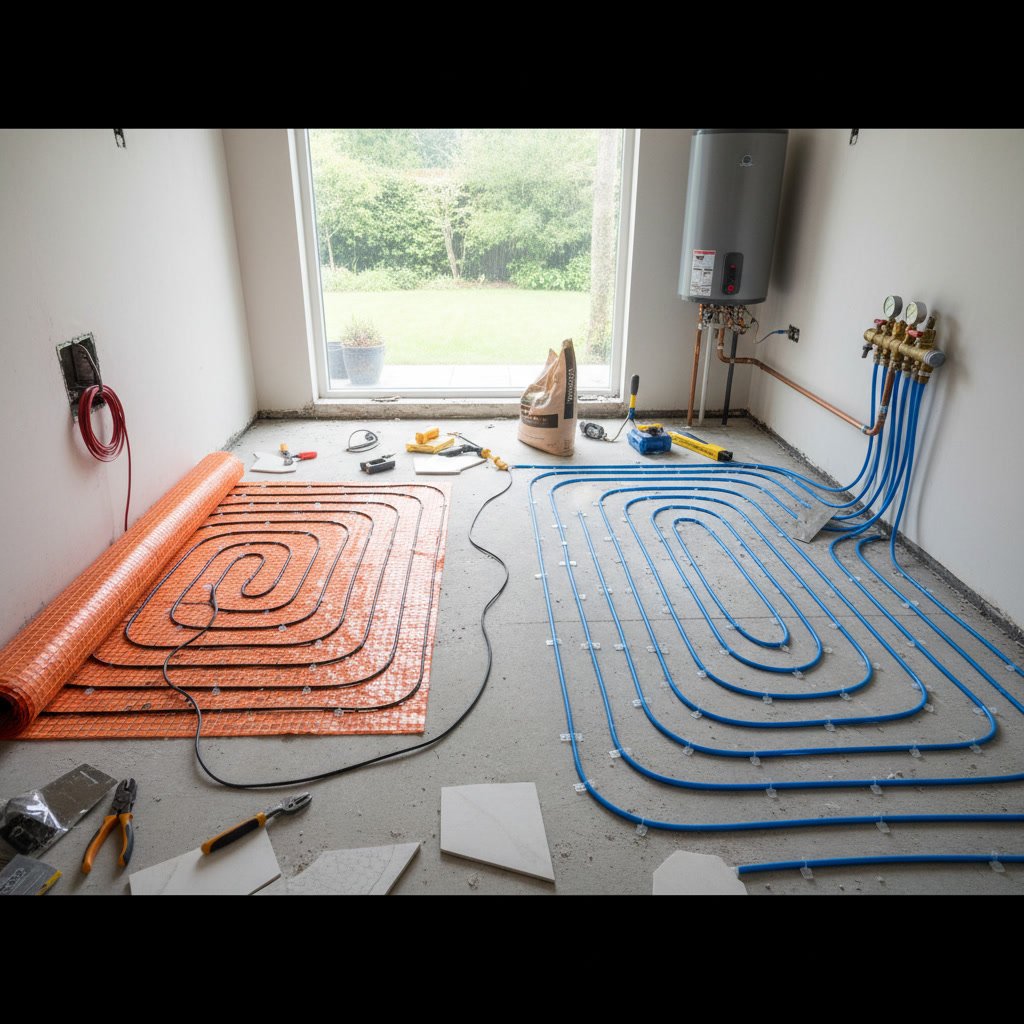
Electric radiant mats use thin heating cables woven into fiberglass mesh that rolls out across the bathroom floor. These systems cost less upfront, install faster, and require no boiler or dedicated water lines. Most bathrooms under 100 square feet use electric systems because the operating cost remains reasonable and installation takes just a few hours.
Hydronic systems circulate hot water through PEX tubing embedded in the floor. These setups cost more initially and require professional plumbing work, but they operate more efficiently in large spaces or whole-home installations. For a single bathroom project, electric systems deliver better value unless you plan to heat multiple rooms simultaneously.
Subfloor Preparation That Prevents System Failure
Radiant heating systems demand perfectly flat, stable subfloors because any flexing can crack heating wires or damage solder joints in hydronic tubing. Standard 3/4-inch plywood subfloors work well when properly secured, but older homes with warped or weak joists may need reinforcement before installation begins.
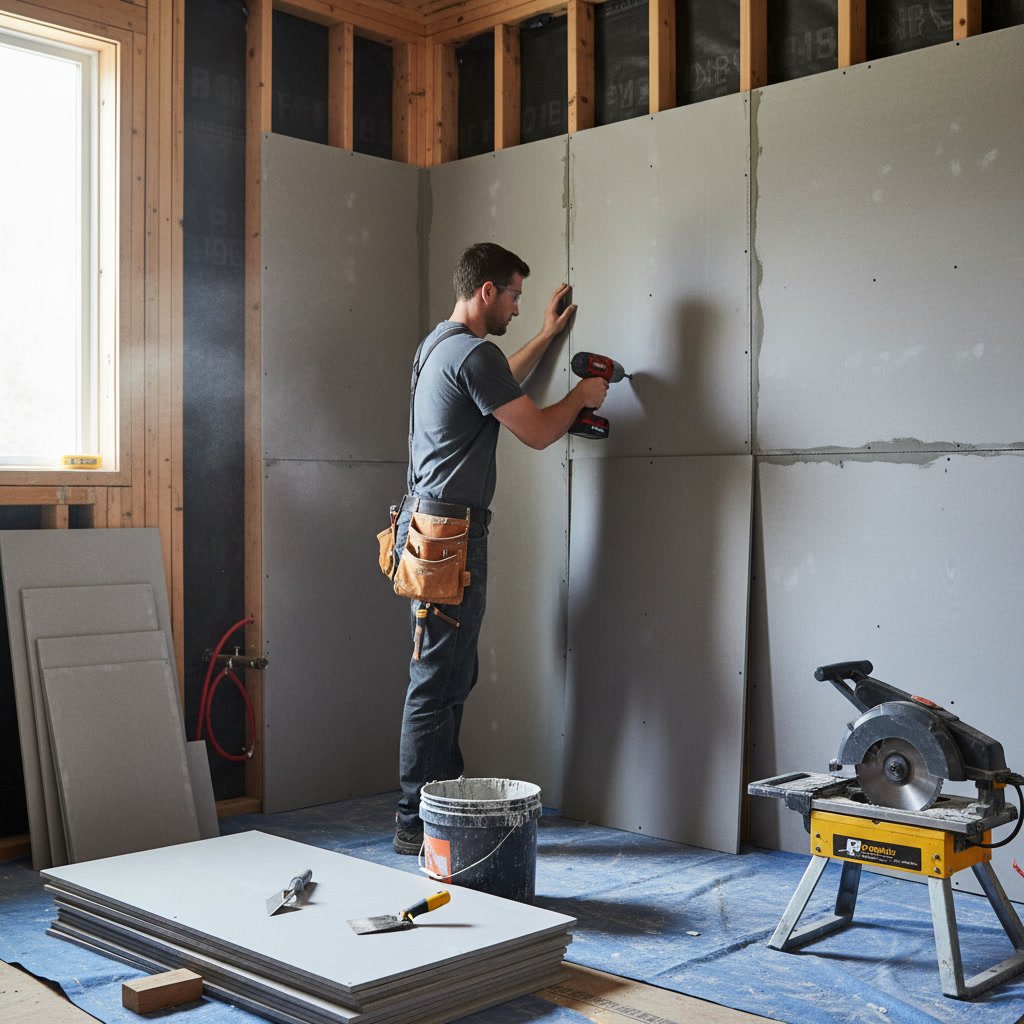
Cement backerboard provides the ideal base for radiant heat because it resists flex, insulates the system from below, and bonds securely with thin-set mortar. Installing a decoupling membrane over the heating elements adds insurance against tile cracks if the subfloor shifts slightly over time. This extra layer costs approximately two dollars per square foot but protects a much larger investment in tile and heating components.
Insulation Below the Heat Source Improves Efficiency
Heat travels in all directions, and without proper insulation, a significant portion radiates downward into the subfloor rather than upward through your tile. Installing rigid foam insulation panels between floor joists or directly under the heating mat improves efficiency by 20 to 30 percent. This step matters most in bathrooms over unheated spaces where heat loss occurs rapidly.
Quarter-inch cork underlayment or foam decoupling membranes provide modest insulation while also protecting tile from subfloor movement. These products add height to the finished floor, so factor in transitions to adjoining rooms and door clearances during planning. Most bathroom doors need trimming when floor height increases by half an inch or more.
Thermostat Placement and Programming for Comfort in Clarkston Homes
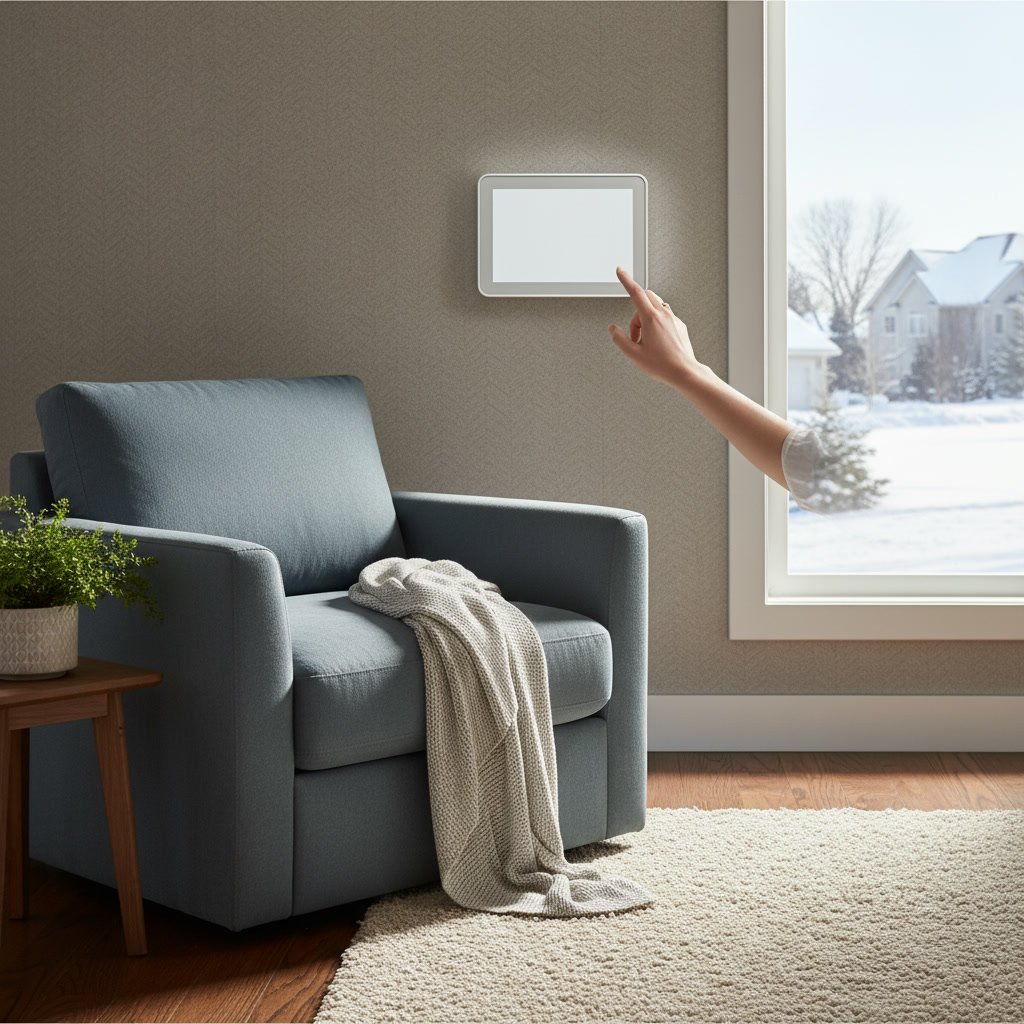
Floor-sensing thermostats monitor tile temperature directly and maintain your target setting regardless of air temperature fluctuations. Programmable models let you schedule heat to turn on 30 minutes before your morning routine, so floors reach full warmth exactly when you need it. This approach saves energy compared to running the system continuously.
Install the thermostat near the bathroom entrance at standard switch height for easy access. The floor sensor wire runs through conduit from the thermostat location to the center of the heated area, embedding in thin-set between two heating cables. Proper sensor placement ensures accurate temperature readings and prevents overheating or inadequate warmth.
How Installation Sequencing Affects Tile Bond Strength
Standard tile installations use a single layer of thin-set mortar to bond tile directly to cement board. Radiant heat systems require a modified approach. First, thin-set embeds the heating mat or cables into the substrate, filling all voids and ensuring complete contact. This layer must cure for 24 hours before proceeding.
The second thin-set layer bonds the tile to the embedded heating system. Using a mortar specifically rated for radiant heat prevents bond failure as temperatures cycle between ambient and the system’s maximum output of 80 to 85 degrees. Standard thin-set can delaminate under repeated thermal expansion, causing hollow-sounding tiles or loose sections within a few years.
Operating Costs and Energy Consumption for Oakland County Winters
A typical 50-square-foot bathroom floor uses approximately 600 watts when the radiant system runs at full output. Running the system four hours daily during winter months consumes about 72 kilowatt-hours per month. At Michigan’s average electricity rate near 18 cents per kilowatt-hour, monthly operating costs stay around 13 dollars.
Insulating below the heating elements and using programmable thermostats cuts energy use by one-quarter to one-third. Homeowners who run systems only during morning and evening routines rather than continuously see the lowest utility impact. The comfort gain far exceeds the modest cost increase for most families, especially in homes where cold floors previously made bathrooms unpleasant during winter.
Why This Upgrade Pays Back in Comfort and Resale Value
Heated bathroom floors rank among the most appreciated luxury features in home surveys, often mentioned alongside high-end fixtures and spa-style showers. The upgrade adds tangible value during resale, particularly in markets like Rochester Hills and Bloomfield Hills where buyers expect premium finishes.
Beyond resale considerations, radiant heat transforms daily routines. Stepping onto warm tile after a shower eliminates the jarring cold shock that standard bathrooms inflict during winter. Families with young children appreciate that heated floors dry faster, reducing slip hazards and mildew growth. The investment pays dividends every single day you live in the home, not just when you sell.
If your bathroom shows cold floors despite adequate central heating, sits above an unheated space, or you plan a tile upgrade in the near future, radiant floor heating solves comfort problems while adding lasting value. The installation process requires careful subfloor preparation, proper insulation, and tile-setting techniques that protect both the heating system and your finished floor. Complete Home Improvement Services LLC handles bathroom projects throughout Waterford and Oakland County communities, bringing the experience needed to integrate radiant heat seamlessly into tile installations that perform for decades.
Planning a bathroom upgrade that includes heated flooring requires coordination between electrical work, floor preparation, and tile installation. Complete Home Improvement Services LLC manages every phase of the process, from subfloor assessment through final thermostat programming. Reach out at +12486186666 to discuss your project and get a detailed estimate that covers all components needed for a successful radiant heat installation.