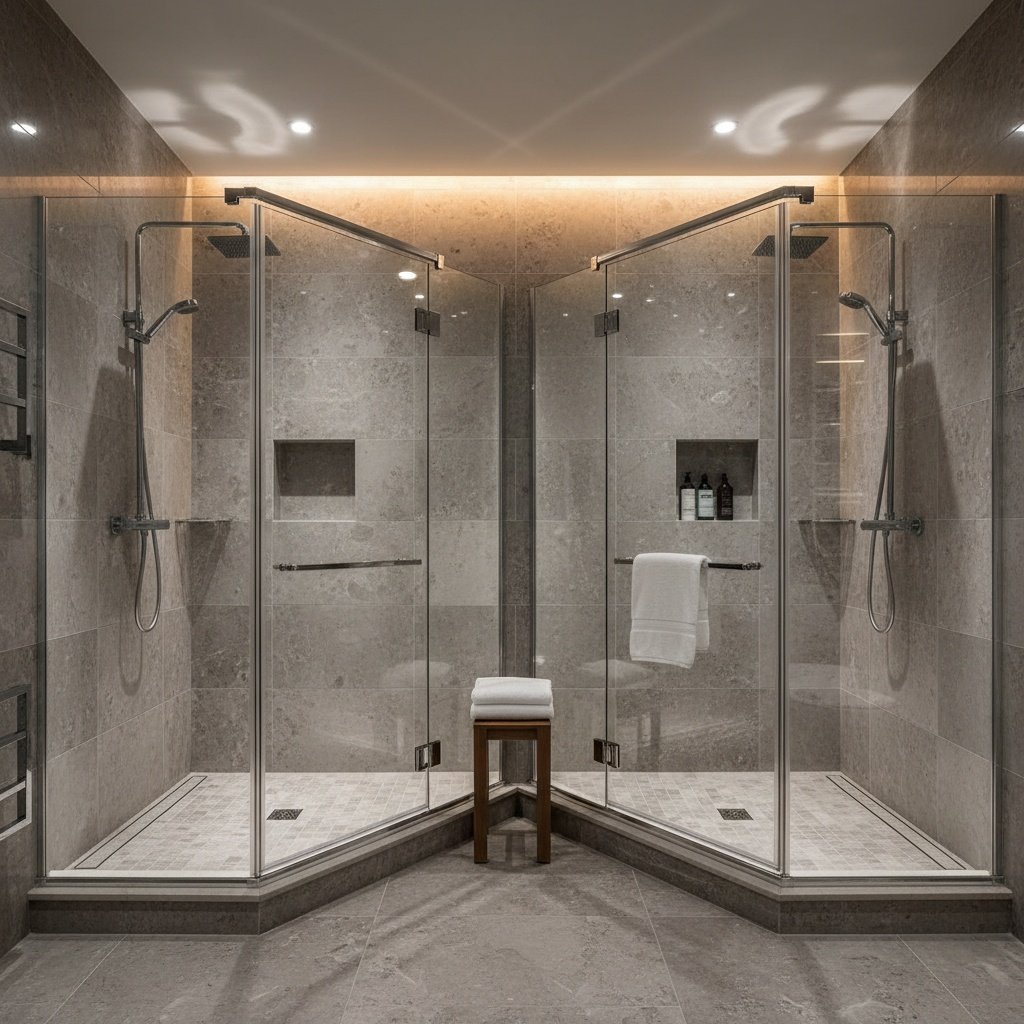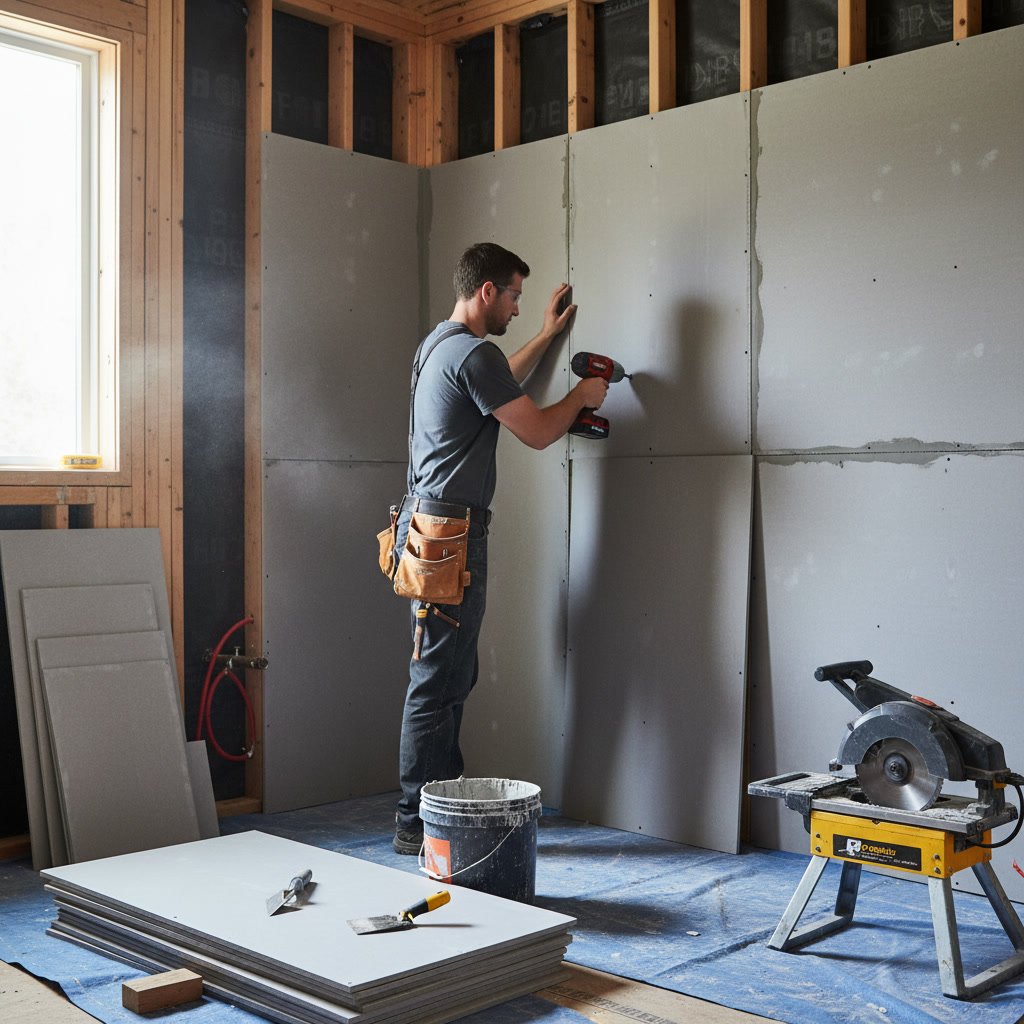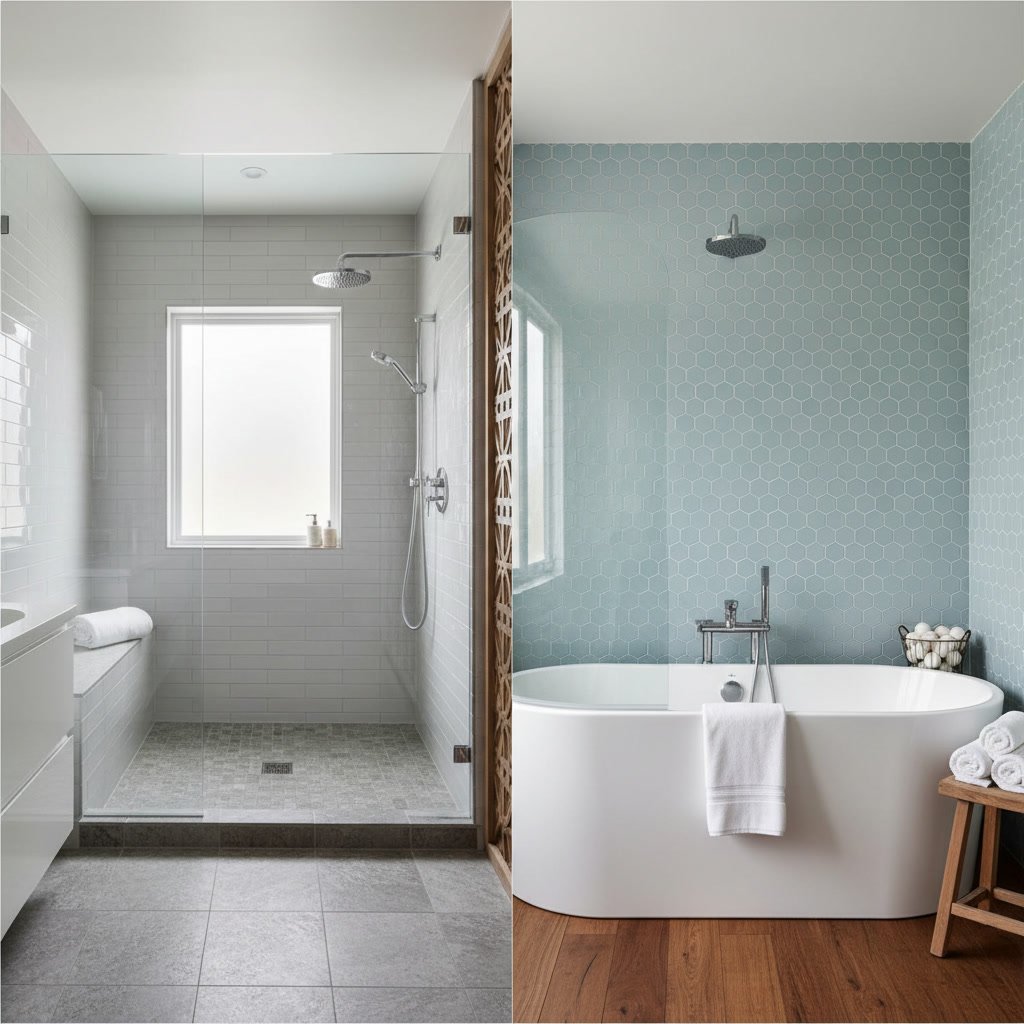
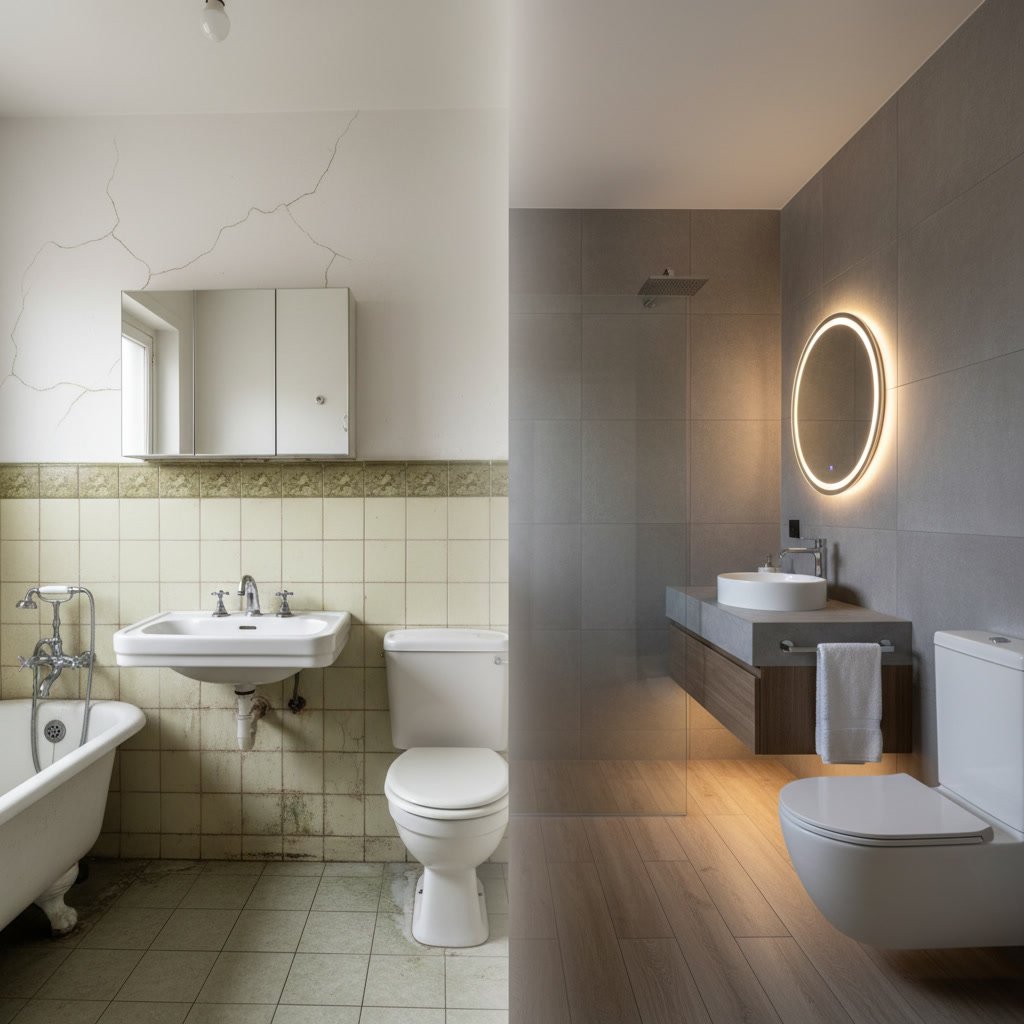
A full remodel strips your bathroom down to the studs, replaces plumbing and electrical systems, and rebuilds everything from scratch. Simple updates focus on visible surfaces like paint, fixtures, and hardware without touching the underlying structure. The choice between a bathroom remodel vs update depends on the condition of your hidden systems, the layout’s functionality, and whether cosmetic changes alone will solve your problems.
Why Most Homeowners Struggle With This Decision
You stand in your outdated bathroom and see chipped tile, a dated vanity, and fixtures that belong in a 1990s catalog. The question becomes whether fresh paint and new hardware will bring the room up to standard or if you’re masking deeper issues that will cost more to fix later.
Many homeowners choose updates first because the price tag feels manageable. They replace the faucet, repaint the walls, and swap out the mirror. Six months later, a pipe bursts behind that freshly painted wall, and they wish they had opened everything up when they had the chance.
Signs Your Bathroom Needs More Than Surface Changes
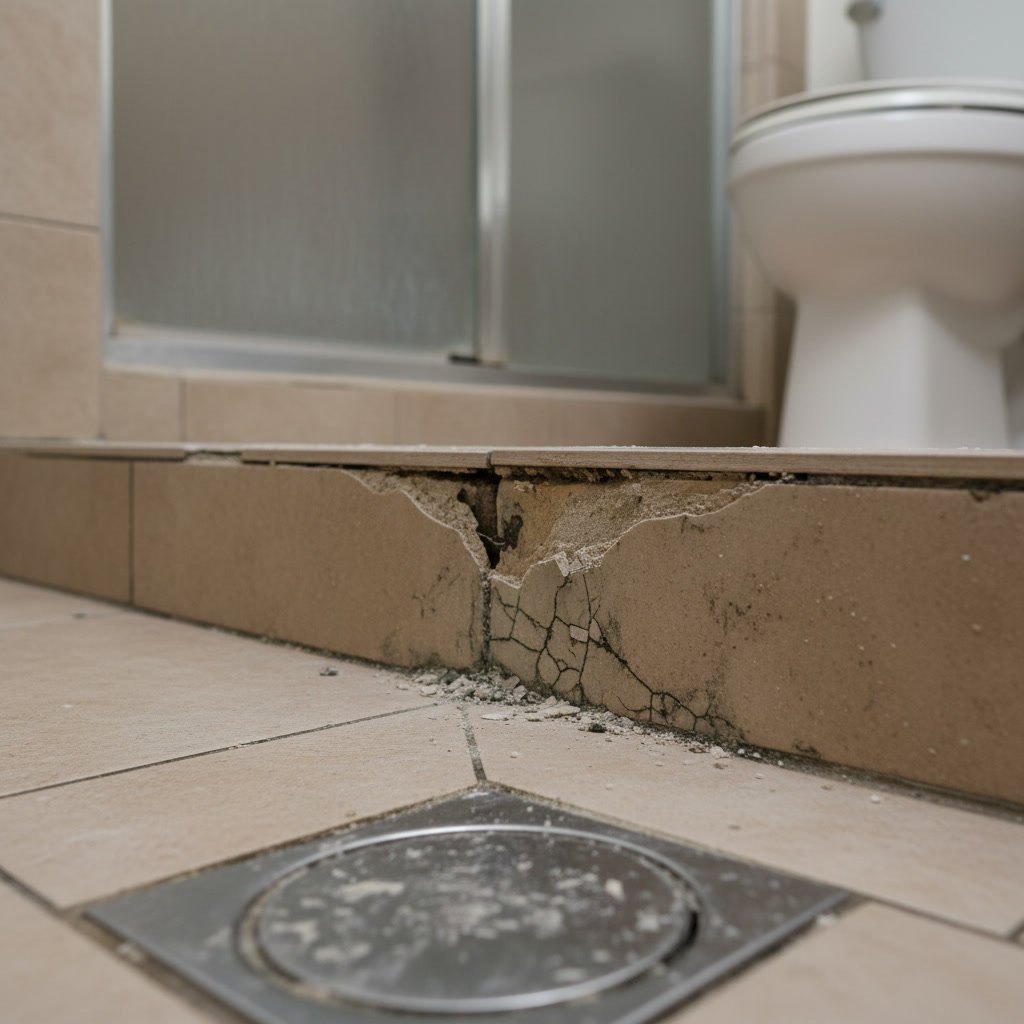
Water damage tells you everything you need to know. If you see soft spots in the floor, discoloration on the ceiling below, or mold growing along the baseboard, moisture has compromised the structure. Painting over water stains or replacing a rotted vanity without addressing the source guarantees the problem will return.
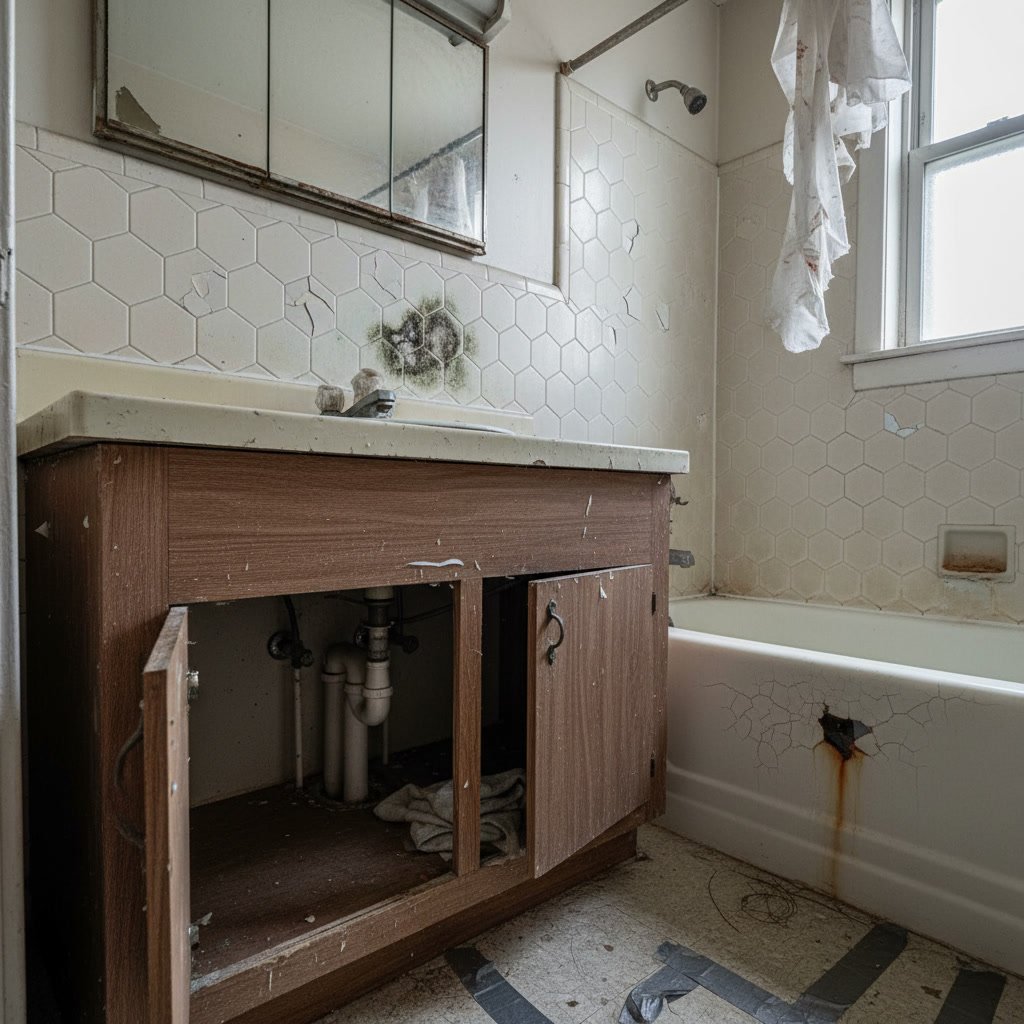
Plumbing and electrical systems have lifespans. Galvanized pipes corrode from the inside out, reducing water pressure and eventually failing. Knob-and-tube wiring or ungrounded outlets pose safety risks that no amount of cosmetic work will solve. If your home was built before 1980 and the bathroom systems have never been updated, you’re working on borrowed time.
Layout problems create daily frustration. A toilet positioned too close to the shower, a vanity that blocks the door swing, or a tub crammed into a space that would function better as a walk-in shower all point toward layout changes that require moving walls, drains, and supply lines.
When Simple Updates Deliver Real Results
If the bones of your bathroom are solid, updates can transform the space without the cost and disruption of tearing everything out. A bathroom with good plumbing, sound walls, and a functional layout benefits from targeted improvements that refresh the look and improve daily use.
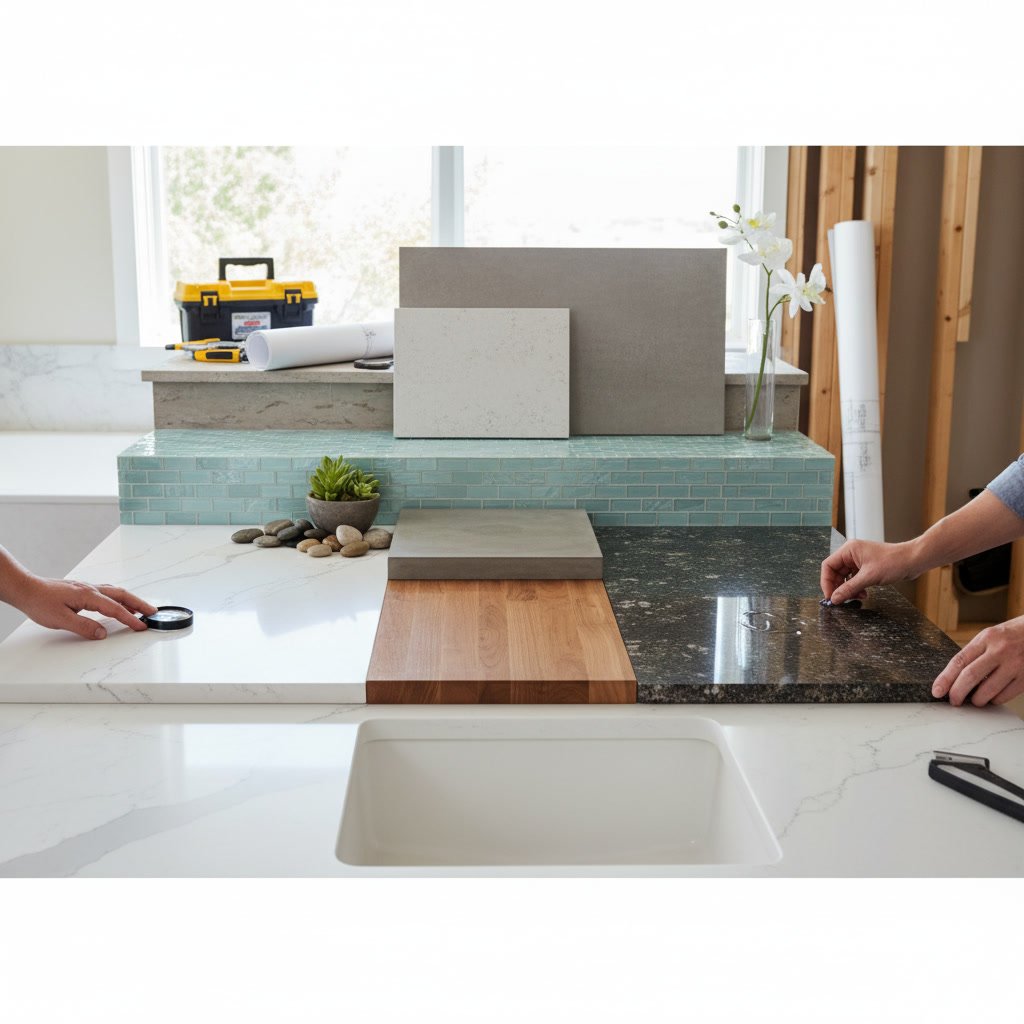
Replacing fixtures and hardware makes an immediate visual impact. A new faucet, showerhead, towel bars, and cabinet pulls cost a fraction of a full remodel but eliminate the dated brass or builder-grade chrome that ages a room. Pair these changes with fresh painting in a modern neutral, and the space feels current.
Vanity and mirror replacements change the room’s focal point without touching plumbing. As long as the new vanity’s footprint matches the existing plumbing stub-outs, you avoid moving drain and supply lines. A new mirror with integrated lighting or a more contemporary frame updates the style without structural work.
The Hidden Costs of Choosing Wrong
Homeowners who update a bathroom with failing systems often spend money twice. The new paint looks great until the leaking shower pan damages the drywall. The updated vanity sits perfectly until the drain line beneath it clogs repeatedly because of decades of buildup in cast-iron pipes that should have been replaced.
Partial fixes also create mismatched expectations. You install a beautiful new tile floor over a subfloor that flexes, and the grout cracks within months. You add a rainfall showerhead to outdated plumbing that can’t deliver adequate pressure, and your upgrade becomes a disappointment every morning.
Evaluating Your Bathroom’s Core Systems in Clarkston
Start beneath the visible surfaces. Shut off the water and open the access panel behind the tub or shower. Look for rust, corrosion, or mineral buildup on pipes. Check the condition of the drain assembly and look for any signs of past leaks or repairs patched with tape or putty.
Inspect the subfloor by pressing firmly on the floor near the toilet, tub, and shower. Any give or soft spots indicate water damage that requires opening the floor and replacing the damaged material. This level of work pushes you firmly into bathroom remodel territory because you can’t install new finishes over compromised structure.
Test your electrical capacity. If your bathroom has only one outlet, no GFCI protection, or you trip breakers when running a hair dryer and curling iron simultaneously, the electrical system needs an upgrade. Adding circuits and outlets requires opening walls, which makes sense only as part of a larger project.
Remodel vs Update: A Side-by-Side Breakdown
A full remodel involves permits, professional contractors, and timelines measured in weeks. You lose use of the bathroom during construction, but you gain a space built to current code with new plumbing, updated electrical, proper ventilation, and a layout designed for how you actually live.
Simple updates happen over a weekend or two, require minimal tools, and cost a fraction of a full renovation. You keep your bathroom functional throughout the process, but you’re limited to what you can accomplish without moving walls or opening floors.
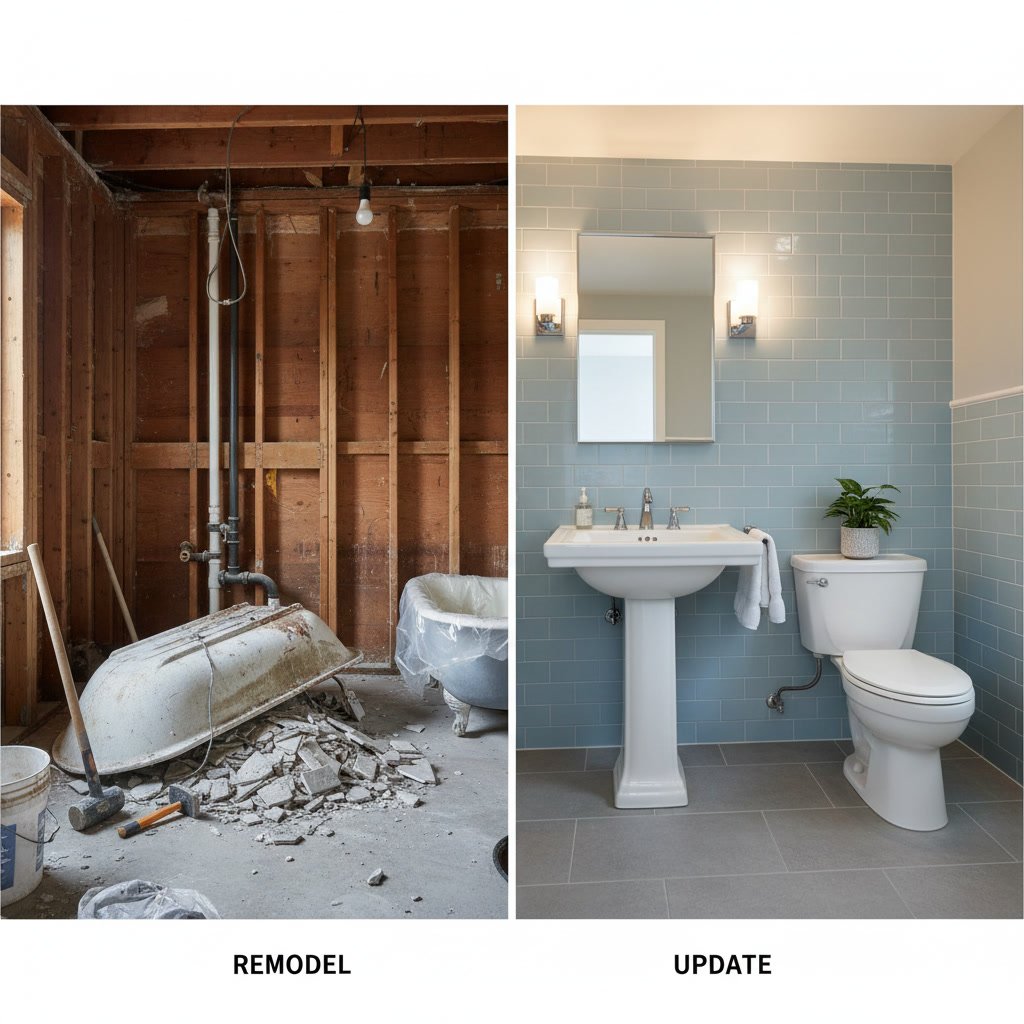
Remodels make sense when you plan to stay in your home for at least five years, when core systems need replacement, or when the layout doesn’t match your needs. Updates work when you’re preparing to sell within a year or two, when systems are sound but surfaces look dated, or when budget constraints require a phased approach.
How Budget Realities Shape Your Choice
A full bathroom remodel in Oakland County typically starts around $15,000 for a small space and climbs quickly if you’re moving plumbing, expanding the footprint, or using premium materials. Simple updates can refresh the same space for $2,000 to $5,000, depending on the quality of fixtures and finishes you choose.
Return on investment differs by project scope. Remodels in desirable markets recover 60 to 70 percent of their cost at resale, while updates may boost appeal without significantly moving sale price. If you’re selling soon, updates often provide better short-term value. If you’re staying, a remodel improves daily life for years.
The Overlooked Middle Path
Some projects fall between full remodel and simple update. You might replace the tub and surround without touching the vanity or floor. Or you could update plumbing fixtures and add a new toilet while keeping the existing tile and layout.
This approach works when one element has failed but others remain serviceable. A cracked tub needs replacement, but if the tile floor and vanity are in good shape, replacing only what’s broken saves money without compromising the result. The key is ensuring the new elements match the scale and style of what you’re keeping.
Phased remodeling also fits this category. You might update fixtures and paint now, then return in two years to replace flooring and the vanity when budget allows. This strategy requires planning so early decisions don’t limit later options, but it makes high-quality work accessible when cash flow is tight.
Code Compliance and When It Forces Your Hand
Current building codes require GFCI outlets, proper ventilation, and specific clearances around fixtures. If your bathroom was built before these requirements took effect and you’re only doing cosmetic updates, you typically don’t need to bring everything up to code. But the moment you pull a permit for plumbing or electrical work, inspectors will require compliance.
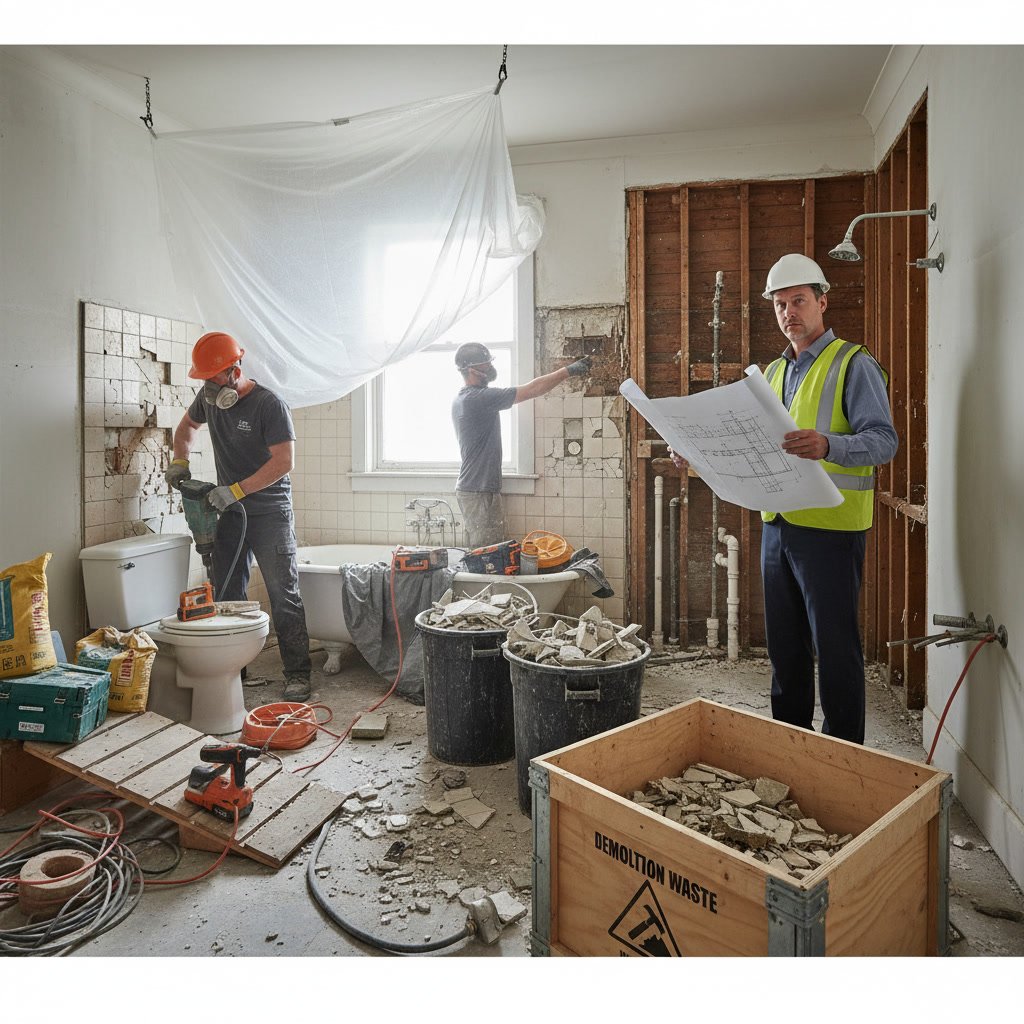
This reality sometimes turns a planned update into a required remodel. You can’t legally install a new shower without GFCI protection and proper waterproofing. You can’t move a toilet without ensuring proper venting and slope. Once you open that door, the project expands whether you planned for it or not.
What Contractors Notice That Homeowners Miss
Experienced professionals spot the warning signs that predict future problems. They notice the slight slope in the floor that indicates a settling foundation. They see the pattern of cracks in tile that reveals movement in the subfloor. They recognize the configuration of supply lines that will make future repairs difficult or impossible.
A contractor evaluating your space for remodeling services should tell you honestly whether updates will serve you well or whether you’re setting yourself up for regret. The best professionals guide you toward the right scope for your situation rather than pushing the most expensive option.
Making the Right Choice for Your Home
The decision between a full remodel and simple updates comes down to three factors: the condition of systems you can’t see, how well the current layout serves your needs, and how long you plan to live with the result. If hidden systems are sound and the layout works, updates provide excellent value. If you’re addressing safety issues, fighting layout problems daily, or planning to stay long-term, a remodel justifies the investment.
Walk through your morning routine in the space and note every frustration. If most complaints center on appearance, updates likely solve the problem. If you’re constantly working around poor layout, inadequate storage, or fixtures that don’t function properly, those issues require structural changes that only a remodel addresses.
Complete Home Improvement Services LLC has guided homeowners through this exact decision across Waterford and surrounding communities for years. We’ve seen projects where a $3,000 update delivered everything the homeowner needed and others where trying to avoid a full remodel led to wasted money and continued frustration. An honest assessment of your bathroom’s condition and your goals eliminates guesswork and ensures your investment delivers the results you need. Reach out to discuss your specific situation at +12486186666.