Grout deterioration happens gradually, but the warning signs are clear once you know what to look for. Bathroom grout failing can lead to water damage behind your walls, mold growth, and structural issues that cost thousands to repair. Regrouting costs a fraction of tile replacement, but only if you catch the problem before water infiltrates the substrate. Knowing when grout can be salvaged and when the entire tile installation needs replacement protects your investment and your home.
Why Grout Breaks Down Faster in Bathrooms
Bathrooms create the perfect environment for grout failure. Daily showers generate moisture and steam that penetrate porous grout lines. Temperature swings cause expansion and contraction. Cleaning products contain acids and bleaches that eat away at grout compounds over time. Most cement-based grout becomes compromised within 10 to 15 years under normal bathroom conditions, and much faster in poorly ventilated spaces or homes with hard water.
The grout around your shower pan and tub surround takes the hardest beating. These areas endure constant direct water exposure, soap residue, and cleaning chemicals. If your installer skipped proper waterproofing membranes or used the wrong grout type for wet areas, you may see problems in as little as three to five years.
Visible Cracks and Missing Grout Sections
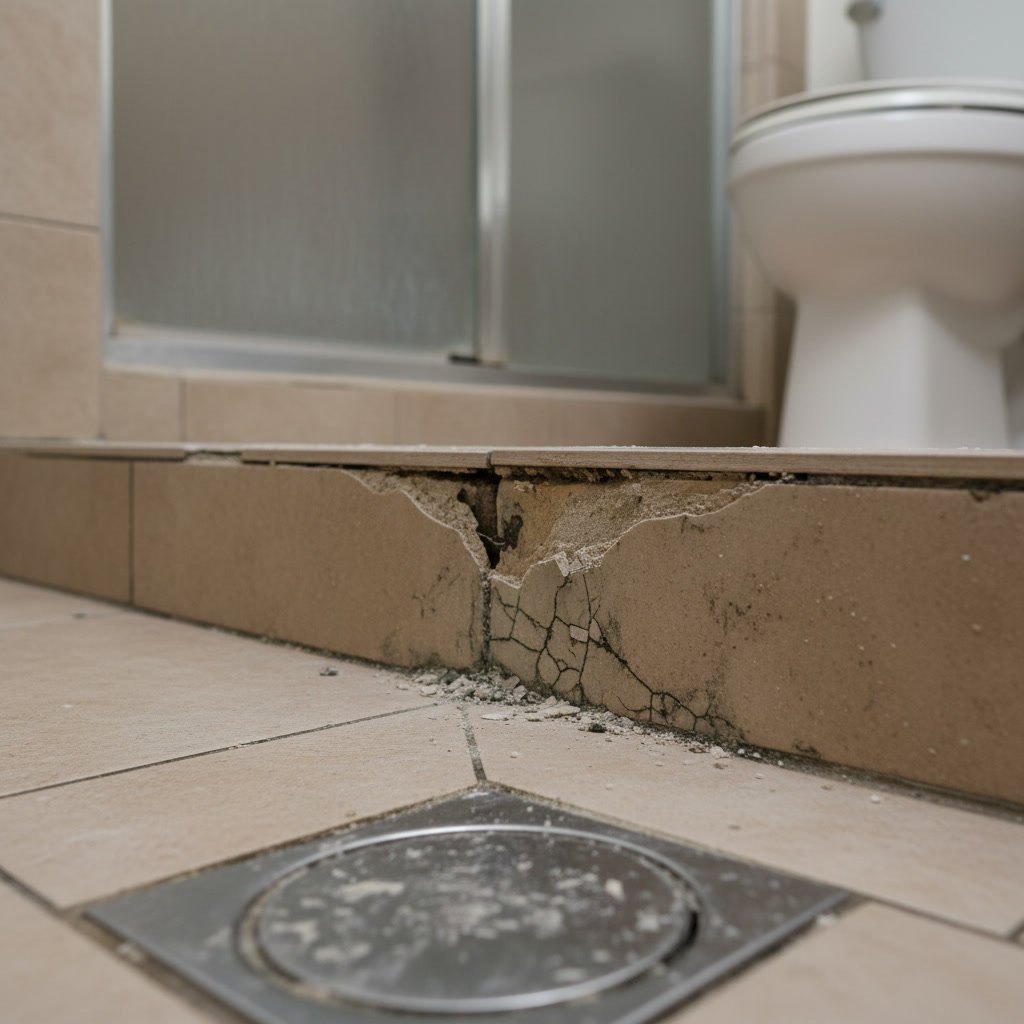
Hairline cracks in grout lines are your first visual warning. These cracks start small but widen as water seeps in, freezes during winter months, and expands. Once a crack forms, water travels behind the tile and begins breaking down the thinset adhesive layer. Missing chunks of grout leave tile edges exposed and create direct pathways for moisture to reach your wall studs or subfloor.
Check the corners where your shower walls meet the pan or tub. These joints experience the most movement and often fail first. If you can slide a business card into the gap between tiles, your grout has eroded past the point where simple touch-ups will help.
Discoloration That Won’t Clean Away in Clarkston Homes
Grout that stays dark or stained after thorough cleaning has likely absorbed water, soap scum, and organic matter deep into its porous structure. Healthy grout has a consistent color across all lines. When grout turns dark brown, black, orange, or develops pink streaks that reappear days after cleaning, the sealant has failed and the grout has become a sponge.
This discoloration signals that bacteria, mildew, and mold have colonized inside the grout material itself. Surface cleaning cannot reach these embedded contaminants. The grout has lost its structural integrity and will continue absorbing moisture until you address the underlying problem.
Loose or Hollow-Sounding Tiles
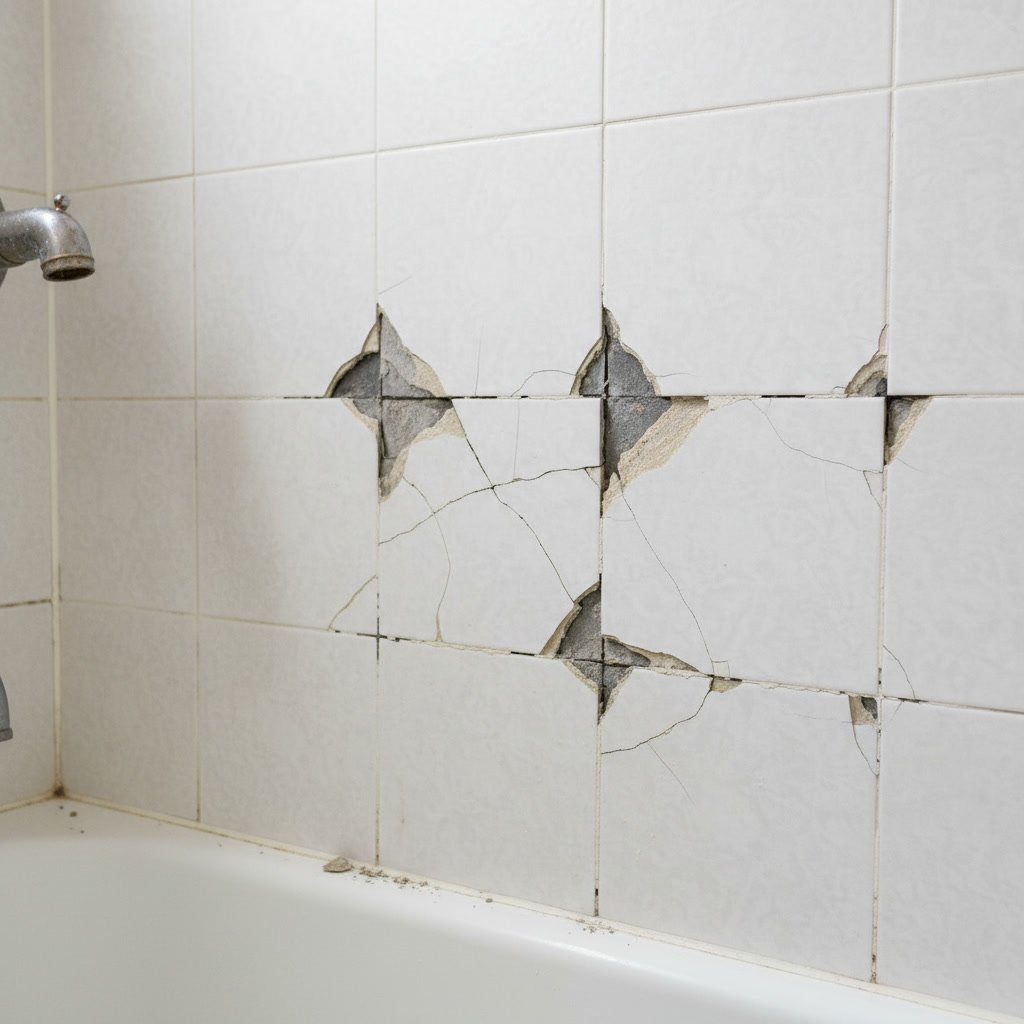
Tap your shower tiles gently with your knuckle. Solidly bonded tiles produce a sharp, high-pitched sound. Tiles that sound hollow or dull have separated from the wall substrate. This separation happens when water travels through failed grout, saturates the thinset, and breaks the adhesive bond.
Loose tiles often shift slightly when you press on them. This movement creates a feedback loop where tile flexing cracks surrounding grout, which lets in more water, which loosens more tiles. By the time tiles become noticeably loose, water has likely damaged the backer board, vapor barrier, or wall framing behind them.
Mold Growth Along Grout Lines
Mold appears as black, green, or orange spots concentrated along grout joints. Unlike surface mildew that wipes away easily, mold that keeps returning has rooted itself inside compromised grout. Bathrooms with insufficient ventilation accelerate this growth, but even well-ventilated spaces develop mold when grout allows continuous moisture penetration.
The health risks from bathroom mold extend beyond allergies and respiratory irritation. Some mold species release mycotoxins that accumulate in enclosed spaces. More importantly, visible mold on grout surfaces indicates hidden mold colonies growing inside your walls where you cannot see them.
Water Stains on Ceilings or Walls Below Your Bathroom
Ceiling stains in the room directly below your bathroom are a critical warning sign. Failed grout allows shower and bath water to penetrate through your floor system. By the time water stains appear on a ceiling, gallons of water have already saturated floor joists, insulation, and drywall.
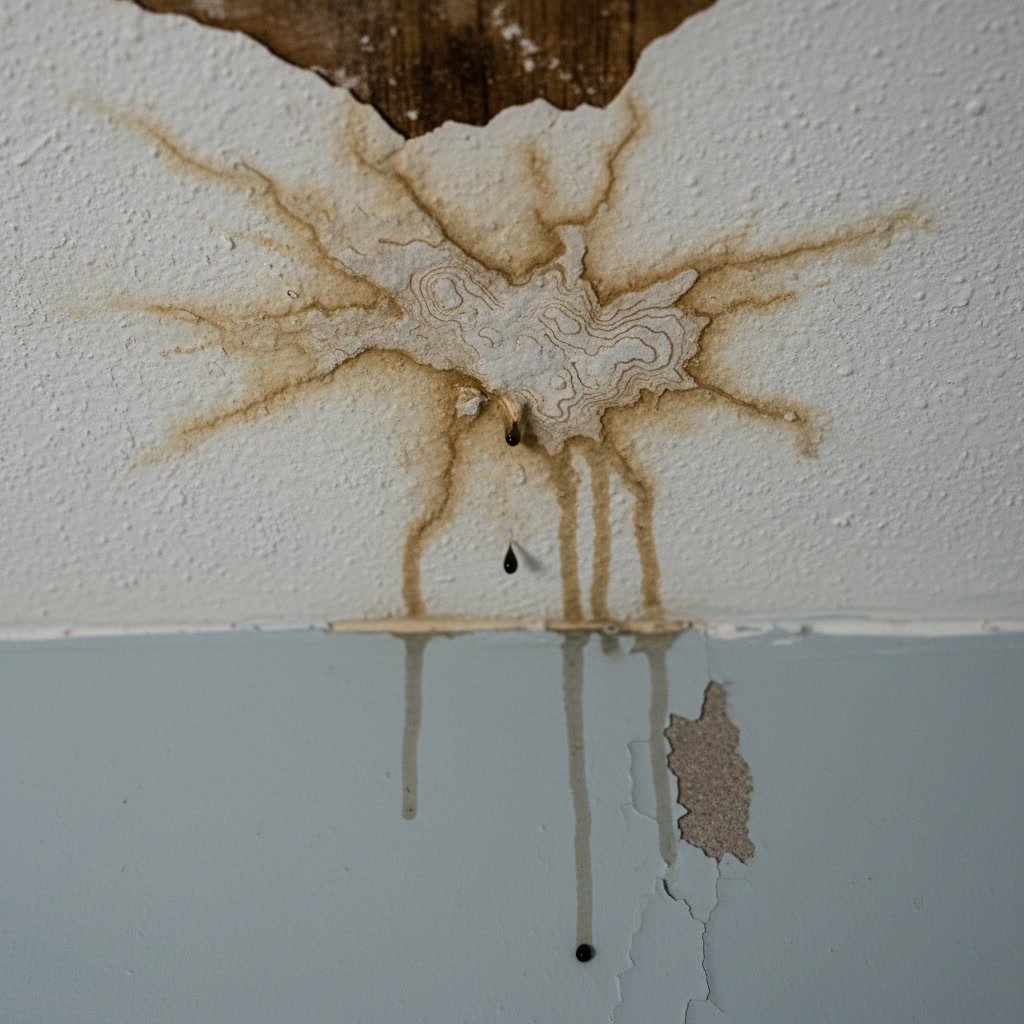
Check baseboards in rooms adjacent to your bathroom for water marks, paint bubbling, or soft spots. Water follows gravity and framing members, so damage may appear several feet away from the actual leak source. These signs mean your bathroom issue has progressed beyond cosmetic grout repair into structural remediation territory.
When Regrouting Solves the Problem
Regrouting makes sense when your tiles remain firmly bonded, show no signs of underlying water damage, and the substrate behind them stays dry and solid. If your grout problems consist of surface cracks, minor discoloration, or isolated missing sections, removing old grout and installing fresh material restores your shower’s waterproof barrier at reasonable cost.
The regrouting process involves grinding out deteriorated grout to a depth of at least one-eighth inch, cleaning tile edges thoroughly, and packing new grout into the joints. For showers and tub surrounds, epoxy grout offers superior water resistance and stain protection compared to traditional cement-based products. Proper regrouting typically costs one-third to one-half the price of complete tile replacement.
This approach works best when caught early. If your grout only started showing problems in the past year or two and your home has good bathroom ventilation, regrouting can add another 10 to 15 years of service life. Consider upgrading to epoxy grout and applying penetrating sealers to maximize longevity.
When You Need Complete Tile Replacement
Tile replacement becomes necessary when water has compromised the layers beneath your tile surface. Loose tiles, soft spots in walls, musty odors, or any evidence of water damage behind the tile means the waterproof membrane, backer board, or wall studs need replacement. Installing new grout over damaged substrate is like painting over rot – it hides the problem temporarily but guarantees bigger issues later.
Most professional contractors recommend full tile replacement when more than 30 percent of tiles sound hollow, when grout failure extends across multiple walls, or when you’re planning other significant updates that justify the investment. Complete replacement allows proper installation of modern waterproofing systems, including liquid membranes and foam backer boards that far exceed older cement board performance.
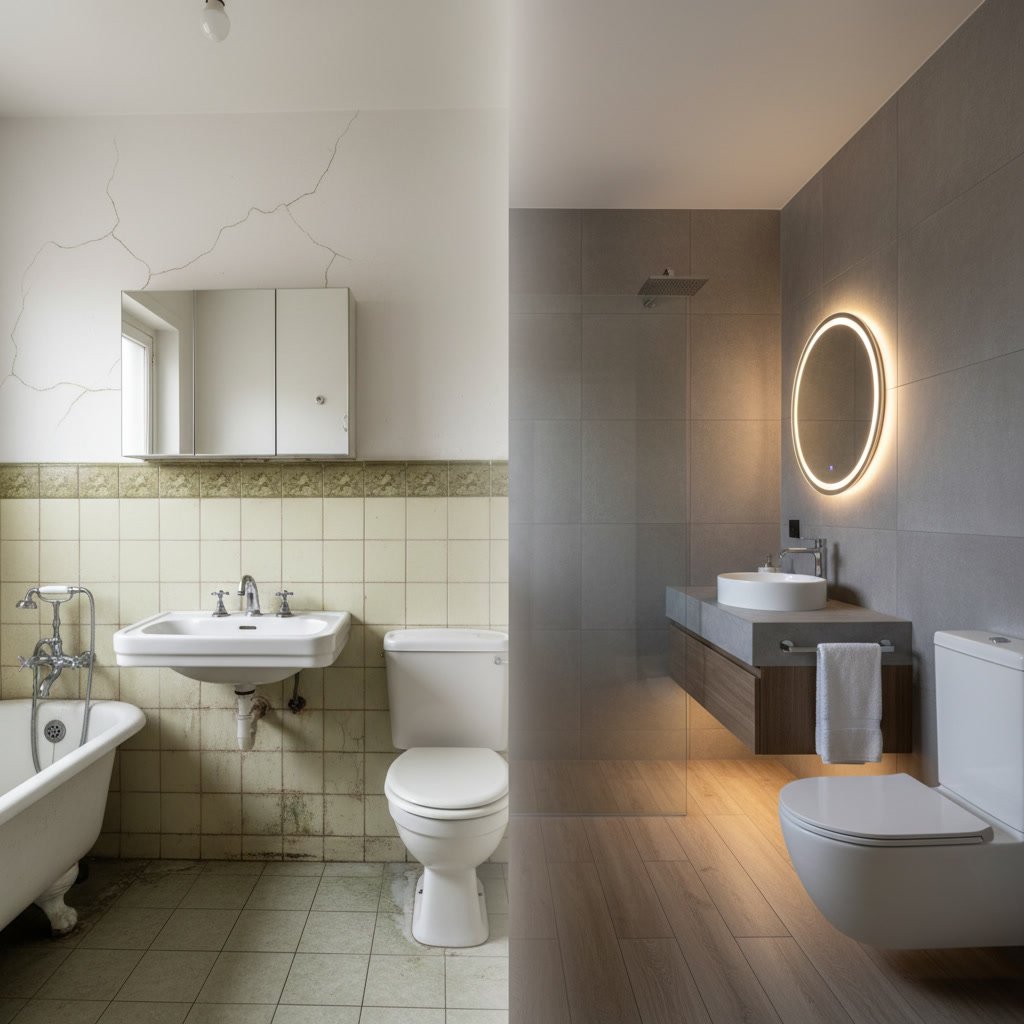
If you’re already considering updates to your shower layout, fixtures, or overall bathroom design, addressing failed grout through a complete renovation makes more financial sense than temporary repairs. A well-executed tile replacement should last 20 to 30 years with minimal maintenance.
How to Test Grout Integrity Yourself
Start with a visual inspection under good lighting. Run your finger firmly along grout lines to check for soft, crumbling, or powdery texture. Healthy grout feels hard and solid. Use a grout saw or the edge of a flathead screwdriver to gently test grout hardness – if the tool sinks in easily, the grout has deteriorated.
Perform a water test by spraying your shower walls thoroughly and checking adjacent rooms for new moisture spots after 24 hours. Pay attention to musty smells that develop after showers, as these indicate trapped moisture behind tile. Document problem areas with photos and measurements before discussing options with a contractor.
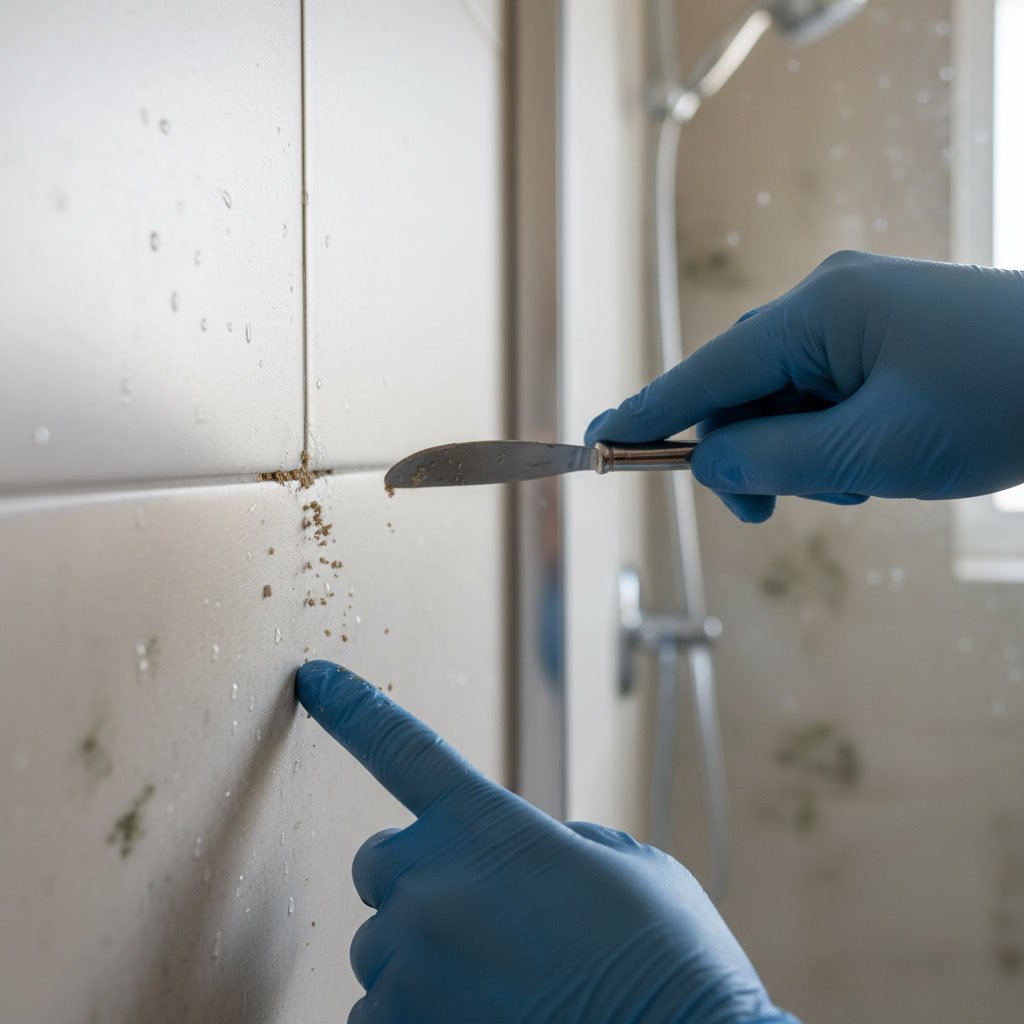
Check whether tiles shift or flex when pressed. Examine corners and transitions between different surfaces, as these joints fail first. If you discover multiple warning signs across different areas of your bathroom, professional assessment becomes essential before problems escalate.
The Hidden Costs of Delaying Grout Repairs
Postponing grout repairs turns a few hundred dollars in maintenance into thousands in structural remediation. Water that penetrates failed grout rots wood framing, destroys insulation, feeds mold colonies, and damages flooring systems. Insurance policies typically exclude gradual water damage from maintenance neglect, leaving you responsible for the full repair cost.
The longer water infiltrates your walls, the more extensive the required demolition and reconstruction. What starts as regrouting a shower surround can escalate into replacing floor joists, wall studs, subfloors, and drywall in multiple rooms. These repairs often require permits, engineering assessments, and weeks of construction that disrupt your entire household.
Quick action when you first notice grout problems protects your home’s value and prevents emergency repairs. Even if you choose to live with cosmetic grout issues temporarily, understanding the progression of damage helps you make informed decisions about timing and budget. For related considerations about when minor updates become full renovations, this comparison of bathroom remodels versus simple updates provides helpful context.
Protecting Your Investment With Professional Assessment
Catching grout failure early and choosing the right repair approach protects your bathroom from expensive water damage. Surface cracks and minor discoloration respond well to regrouting when the tile and substrate remain sound. Loose tiles, hollow sounds, persistent mold, or water stains signal deeper problems that require complete replacement. The key is acting before moisture penetrates your walls and creates structural issues that multiply your repair costs.
Complete Home Improvement Services LLC provides honest assessments of grout and tile conditions throughout Waterford and surrounding communities. Our bathroom specialists identify the full scope of water damage, explain your repair options clearly, and deliver lasting solutions that protect your home. Whether your bathroom needs targeted regrouting or a complete tile replacement, our team ensures proper waterproofing and quality materials that stand up to daily use. Reach out at +12486186666 to schedule an evaluation and get a detailed estimate for your project.